Overview
With a mission to build the most sustainable vehicle in the world, Fisker, a new EV startup, delivered it\'s first SUV in 2023. Just two years prior, we would begin a clean sheet design of its infotainment system, a slim and simple instrument cluster and the mobile app. The Ocean had many firsts, one of them being the center display that rotated from its portrait orientation while driving to landscape, offering the vehicle occupants the ability to stream content and use the system when charging.
ROLE
My role at Fisker as the UX Design Director was to lead innovation through design of Fisker’s in-car digital experience.
RESPONSIBILITIES
My responsibilities was to build and lead a diverse team of designers to create the in-vehicle experience that was dead simple to use and understand while launching the HMI in 2 short years.
Atomic Elements
Our primary goal for the user interface was to remove visual noise and reduce distraction. We achieved this utilizing negative space, large touch targets and simple mental models. The simplicity and flexibility of the design system was elemental to create a frictionless eperience. Simplifying the portrait and landscape layouts aided rapid deployment, testing and iteration of our designs given short timelines.
ICONOGRAPHY
CONTAINER HIERARCHY
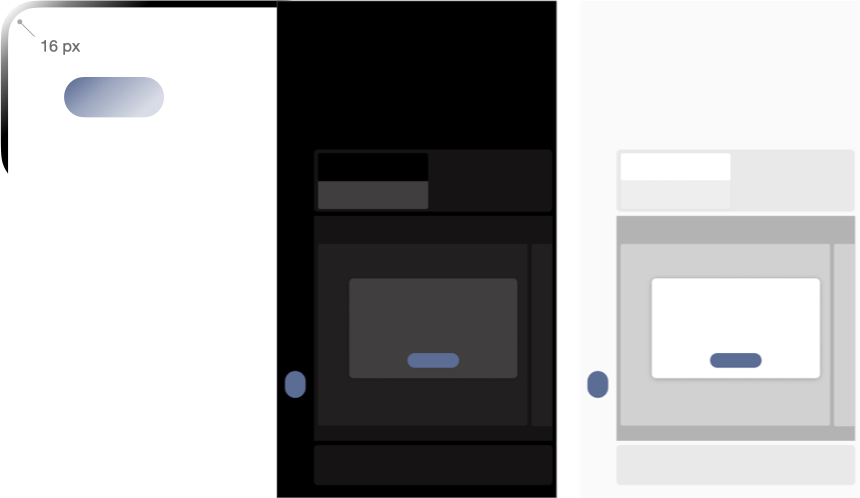
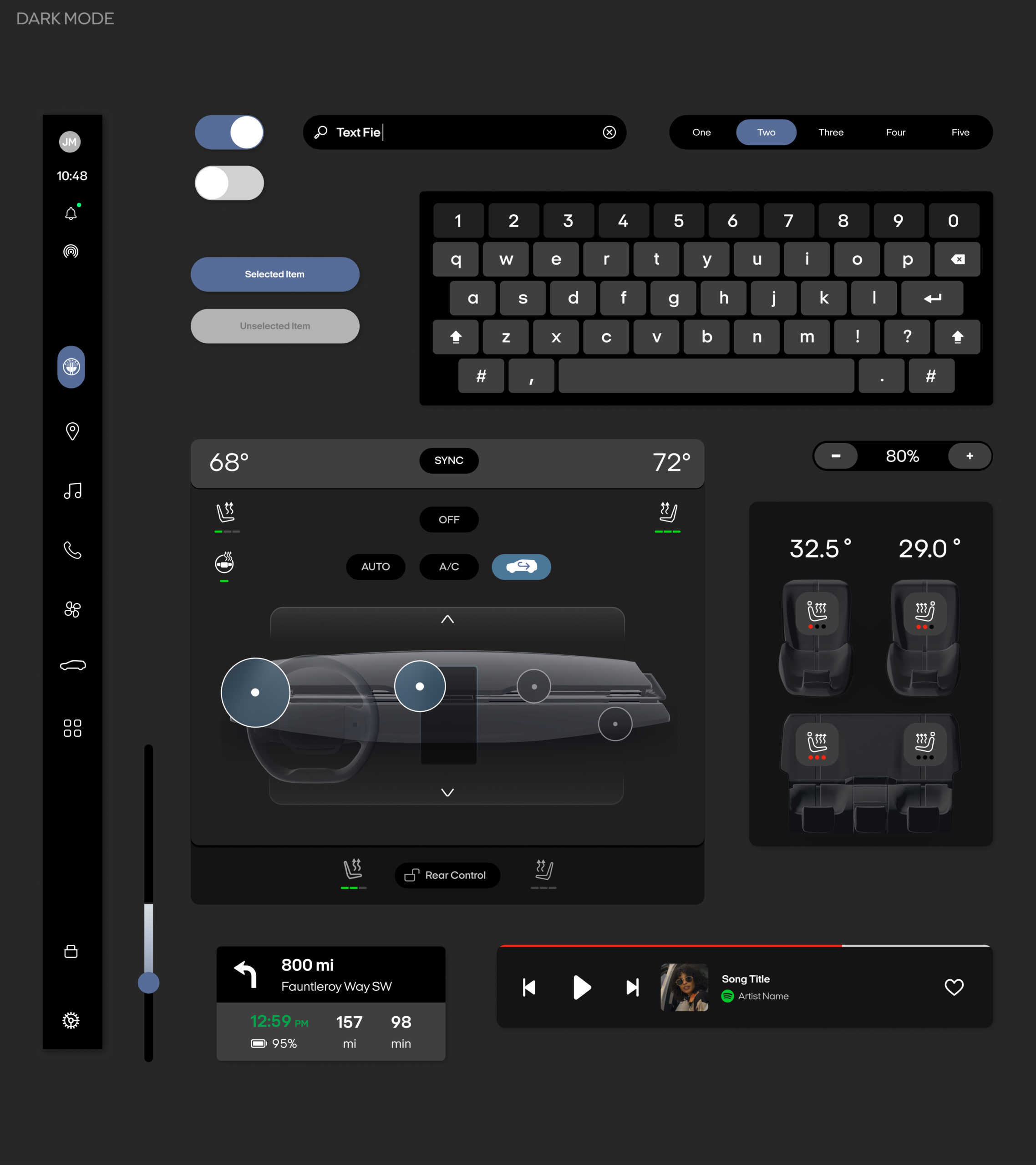
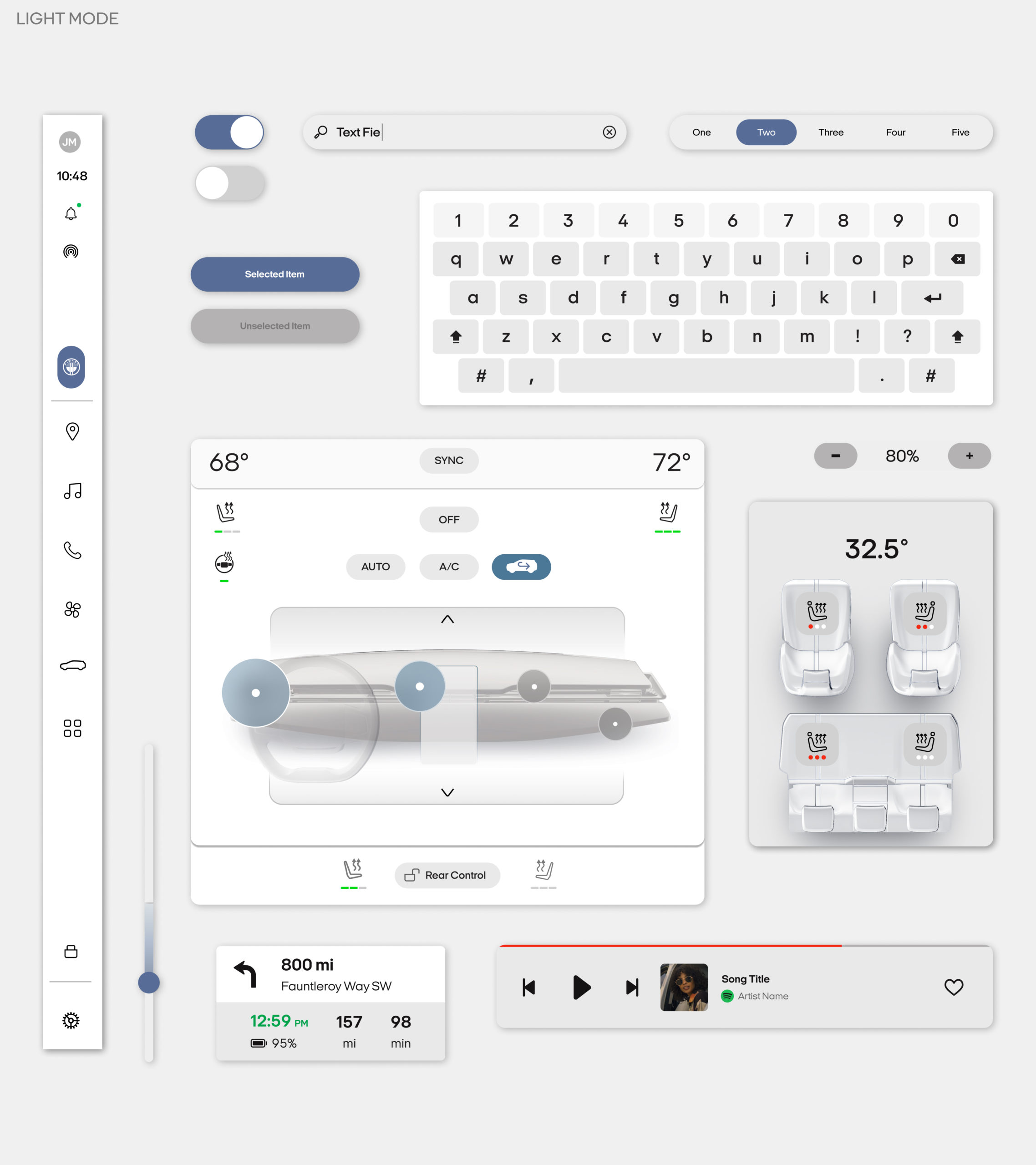
UI Components
Every component was tested for light and dark mode while driving the vehicle to optimize contrast and readability. The color palette was also largely monochromatic which limited variables that we needed to alter between the two modes.
Display Layout
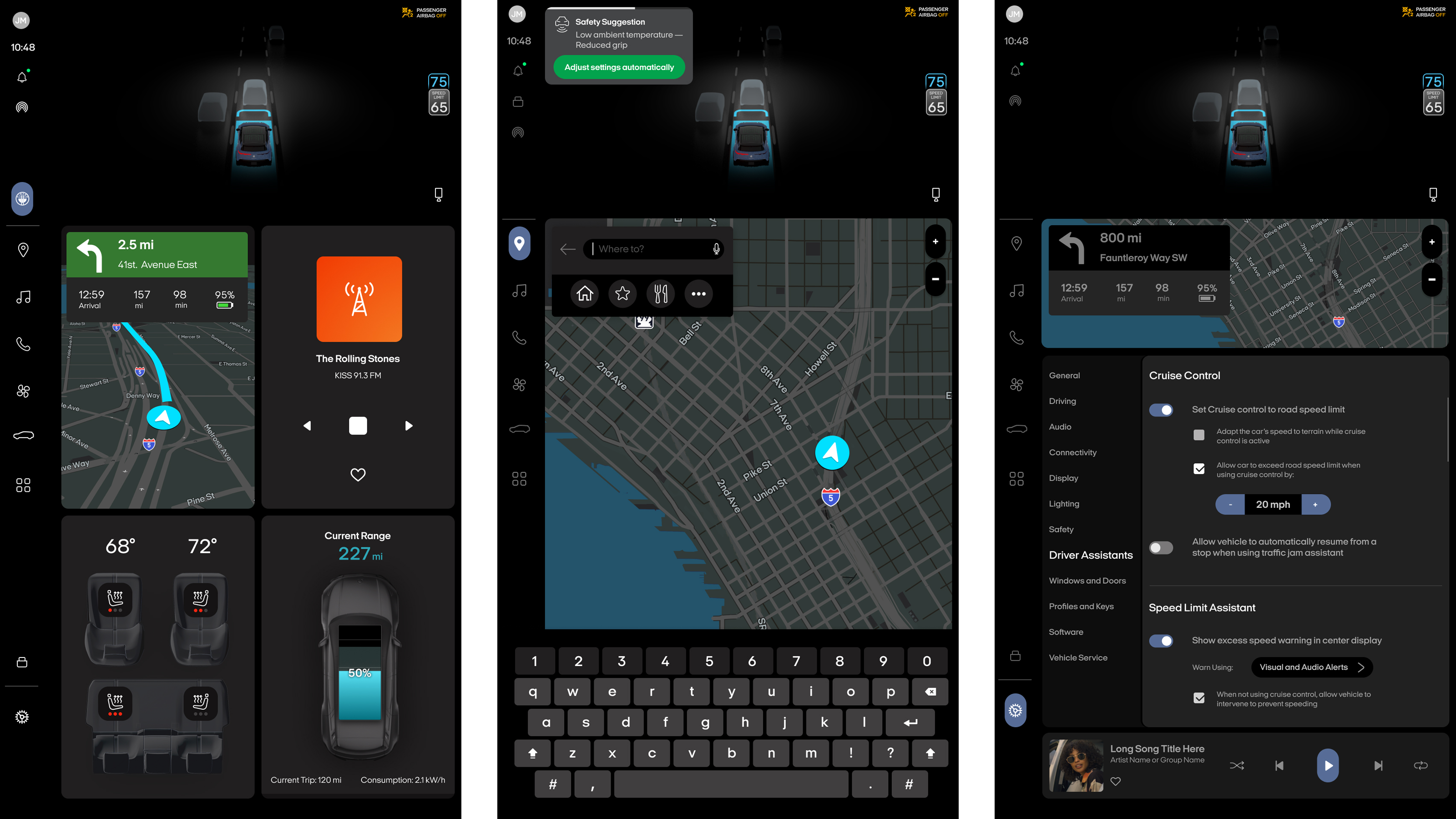
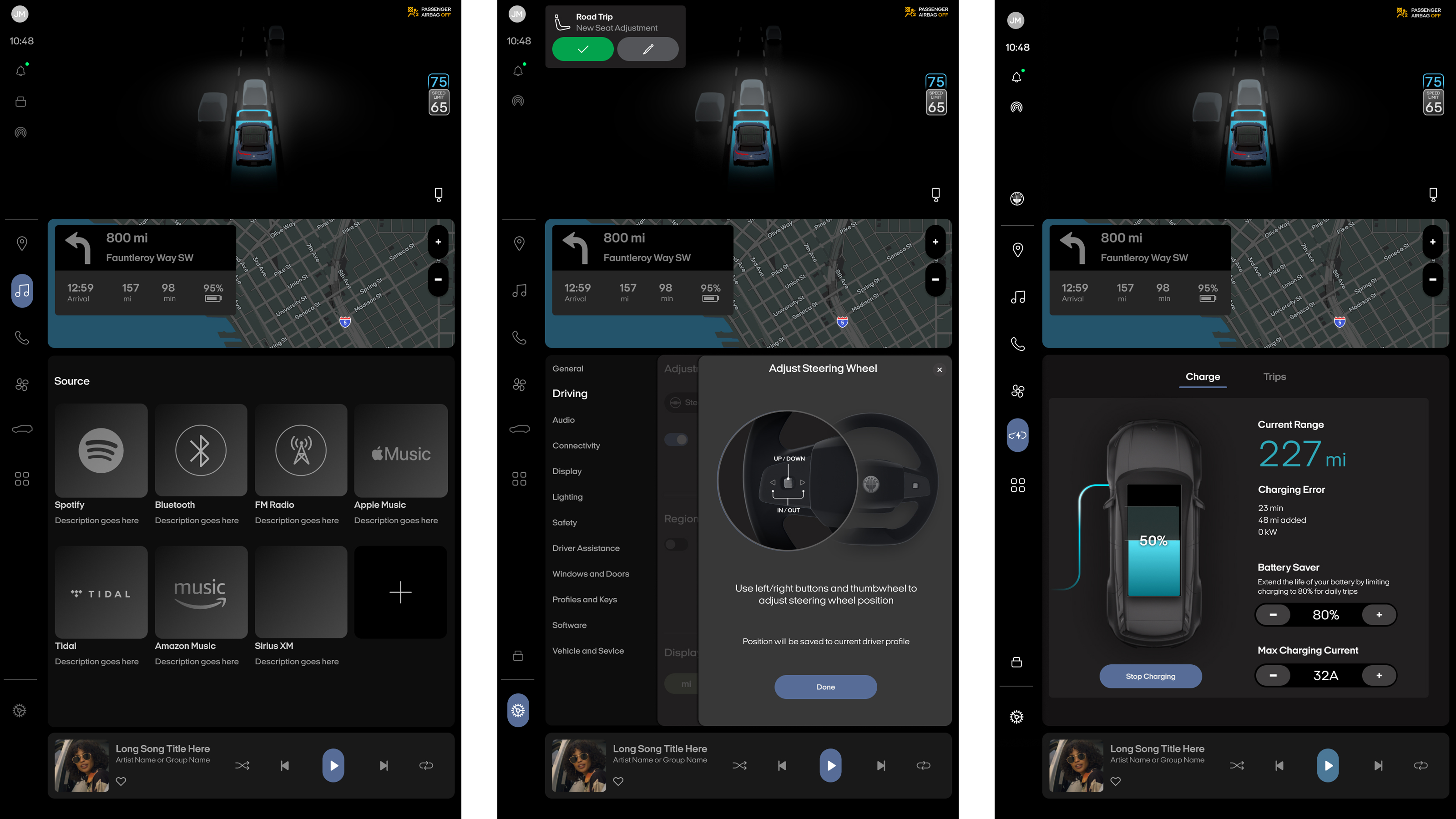
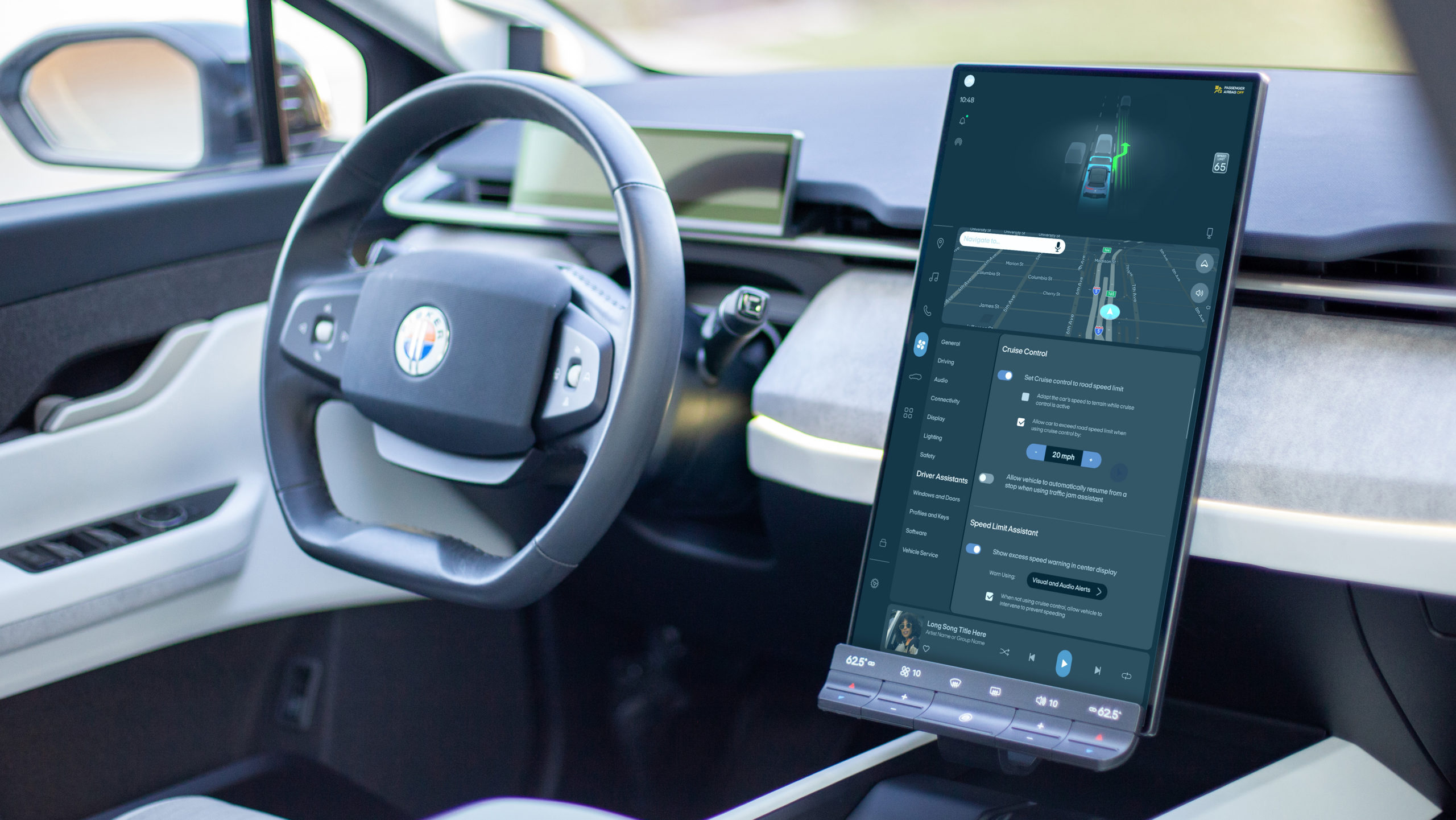
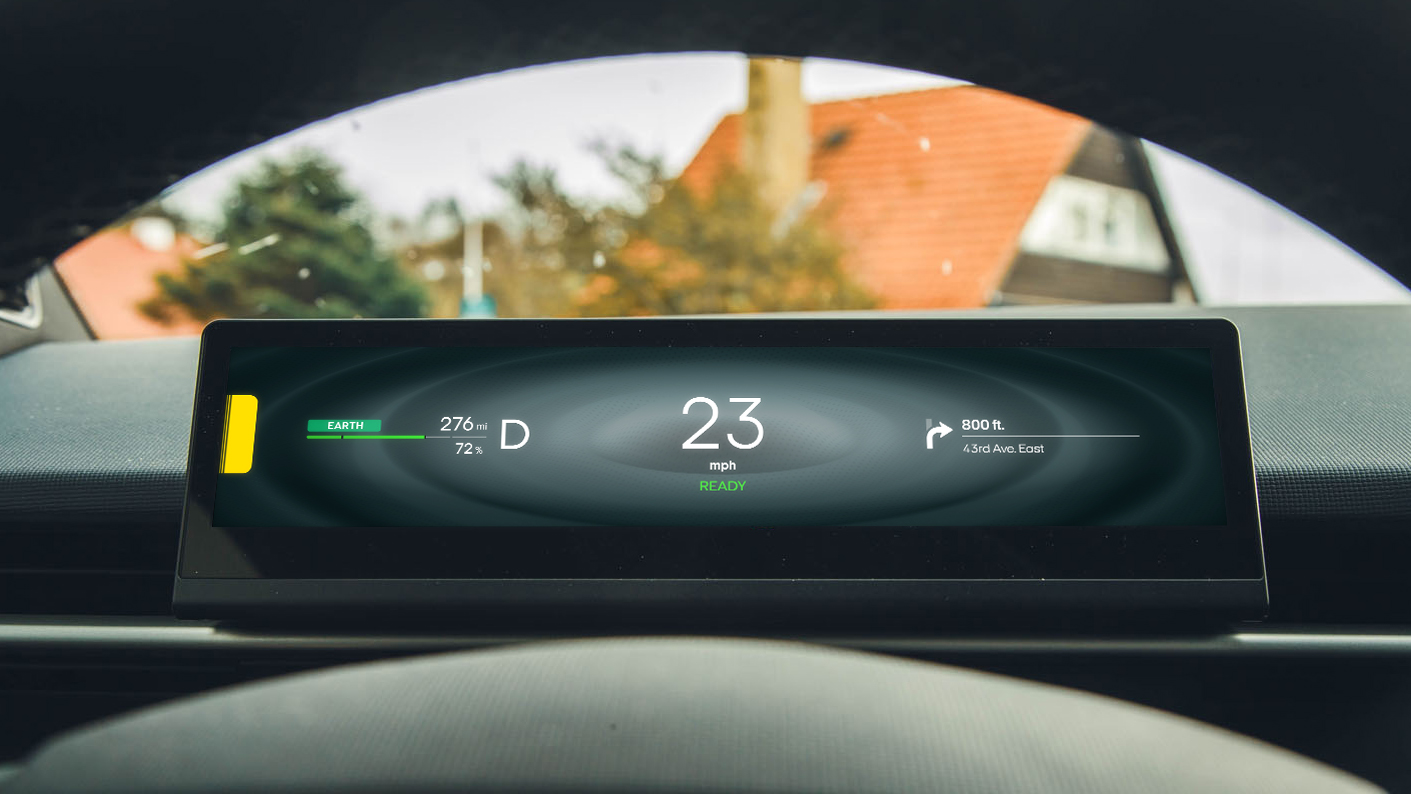
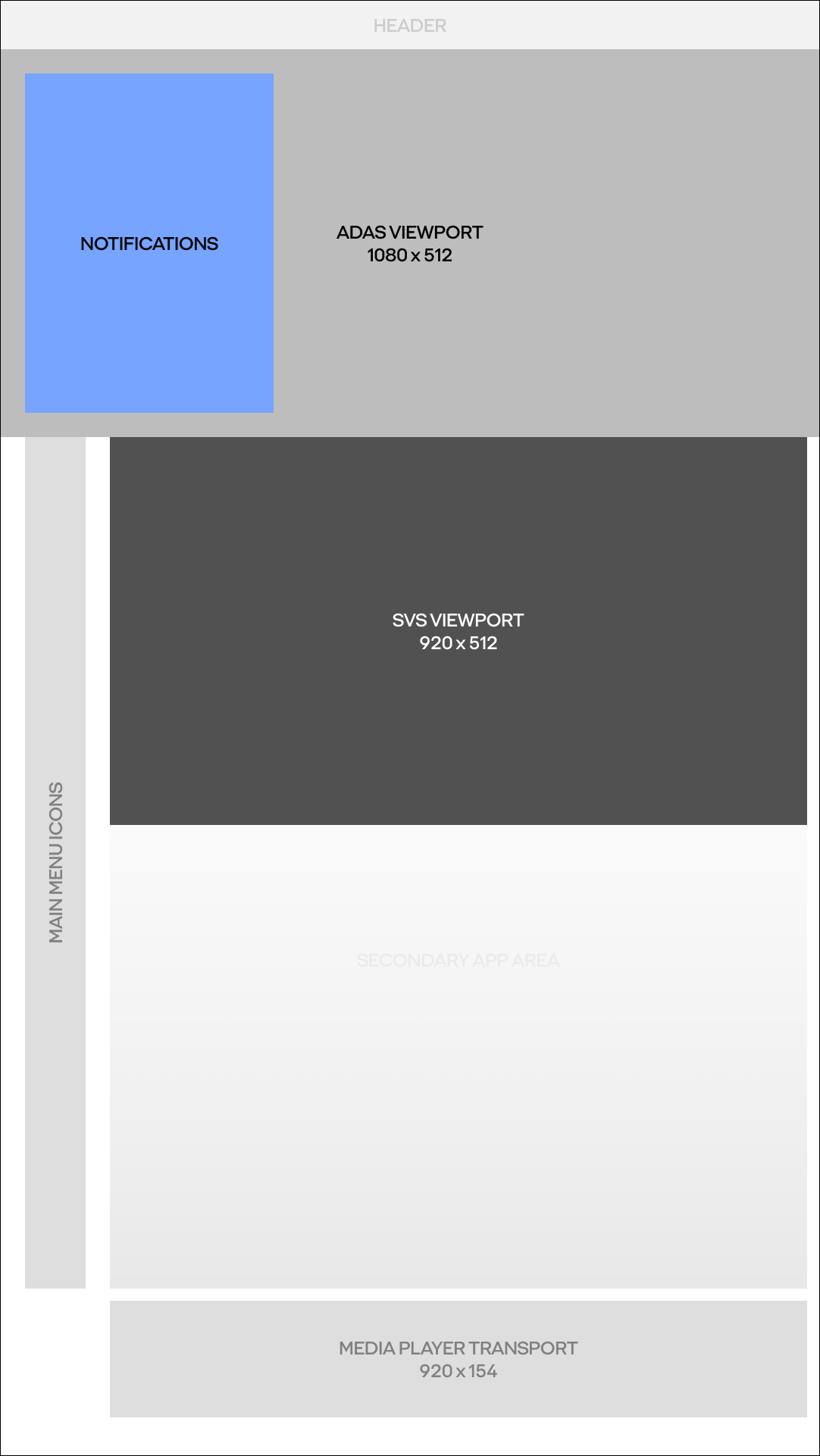
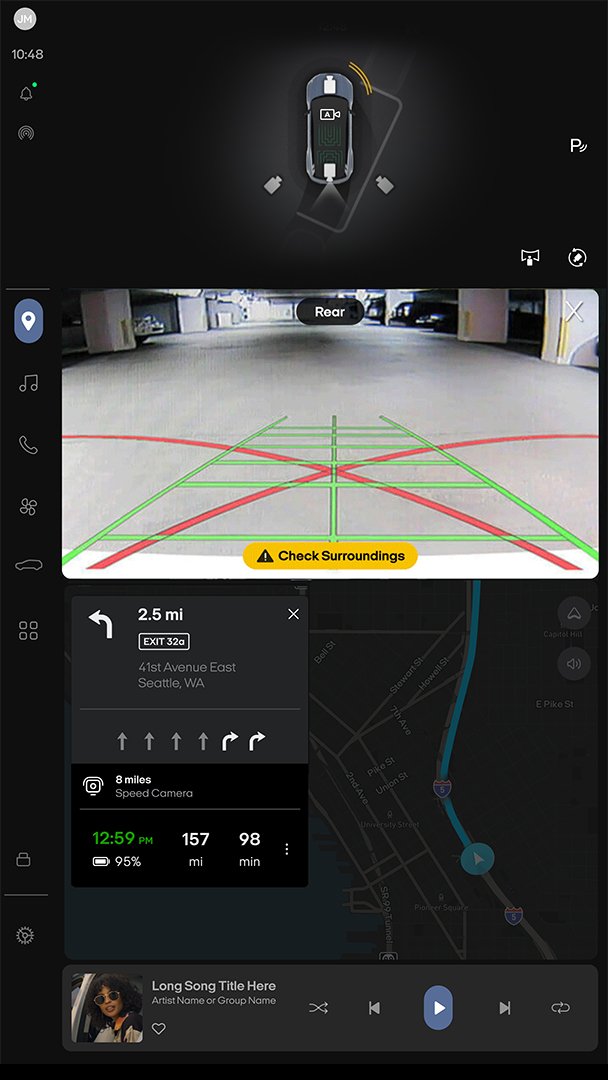
The Ocean's instrument cluster and the information it displays for the driver is simplified. The large central display canvas allowed us to have more complex visualizations and content presentation. We kept persistent locations for ADAS and media controls on the display and the Ocean employs physical buttons for climate and volume control of the sound system. The information architecture uses 'flex' space in the middle of the central display that can be adapted to the application being used.


Features (ADAS)
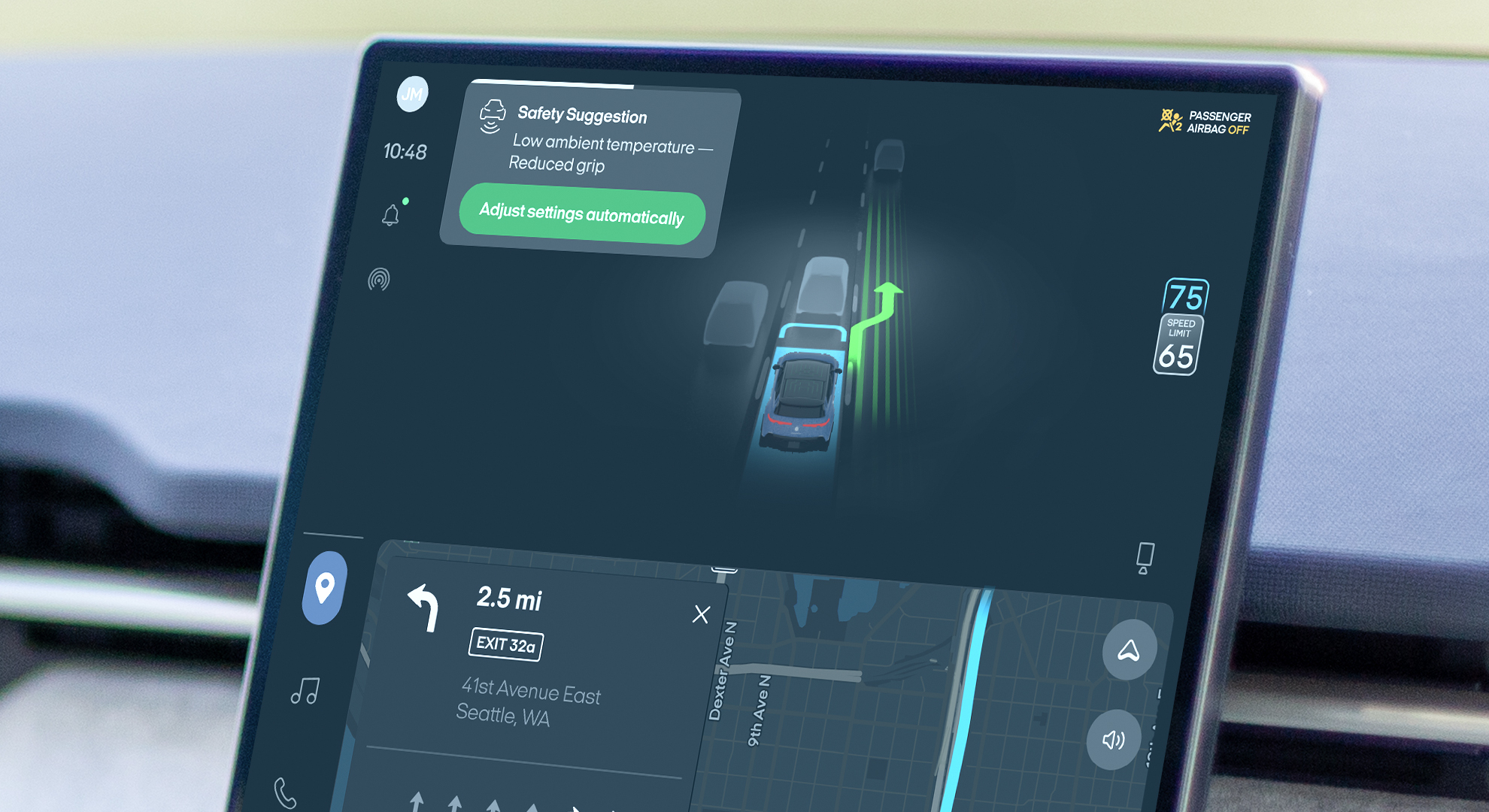
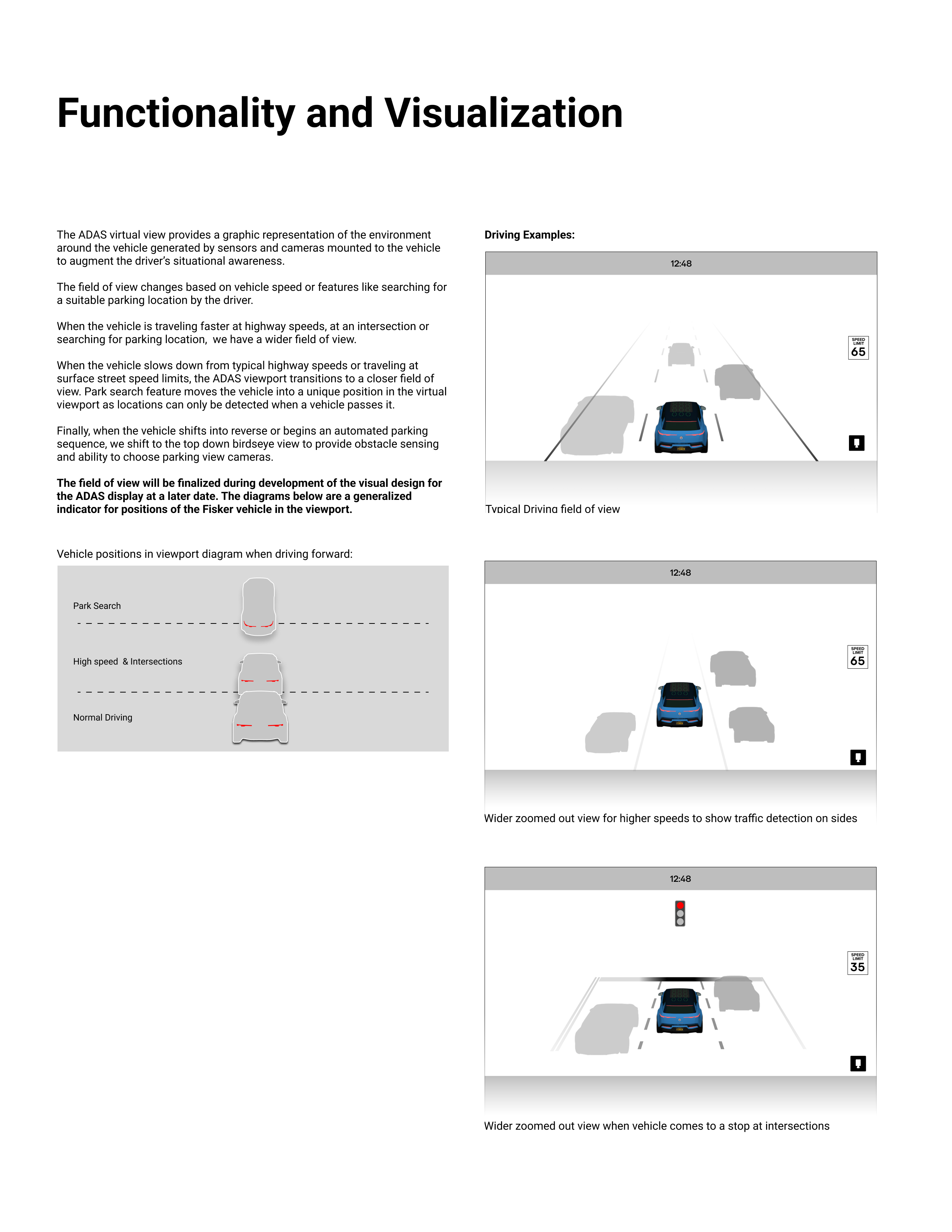
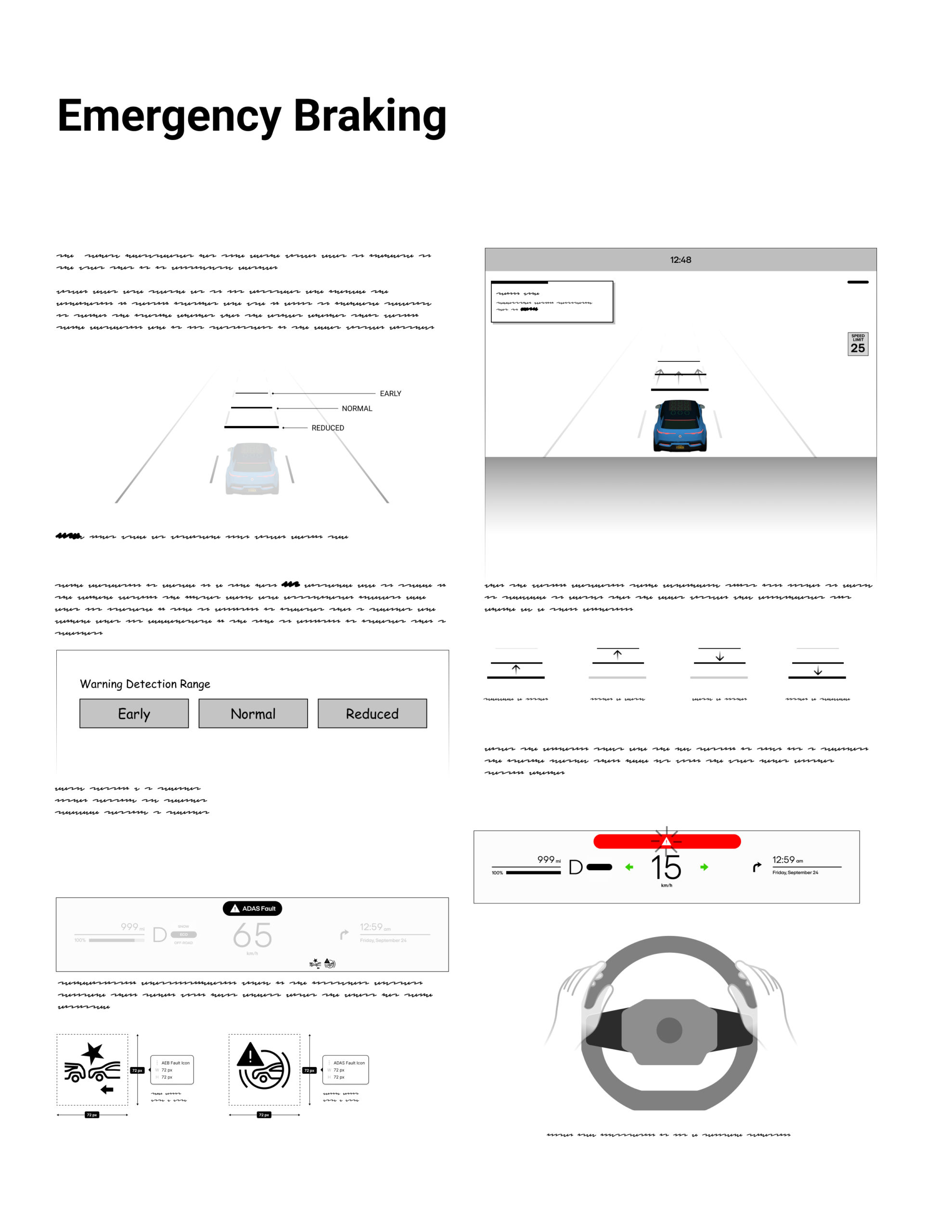
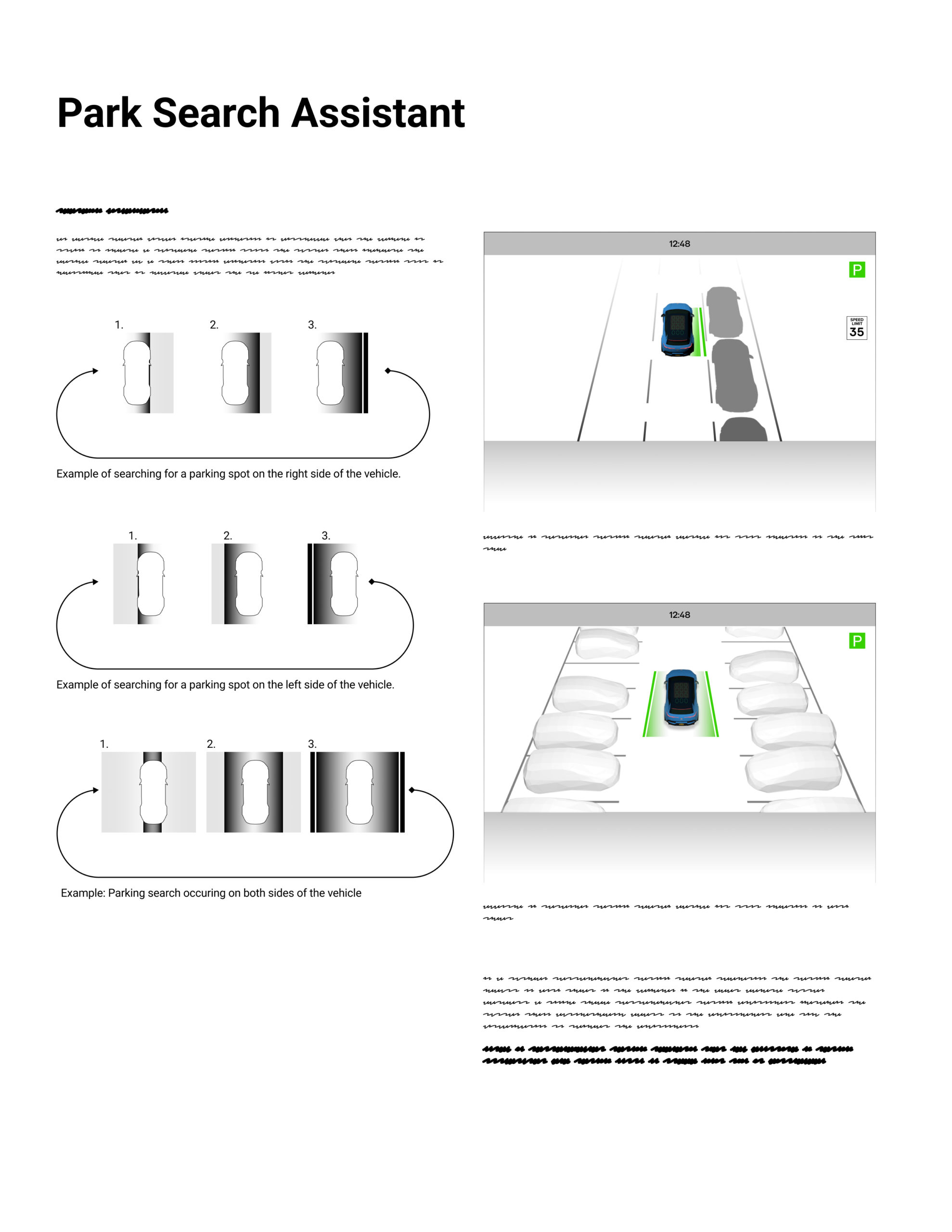
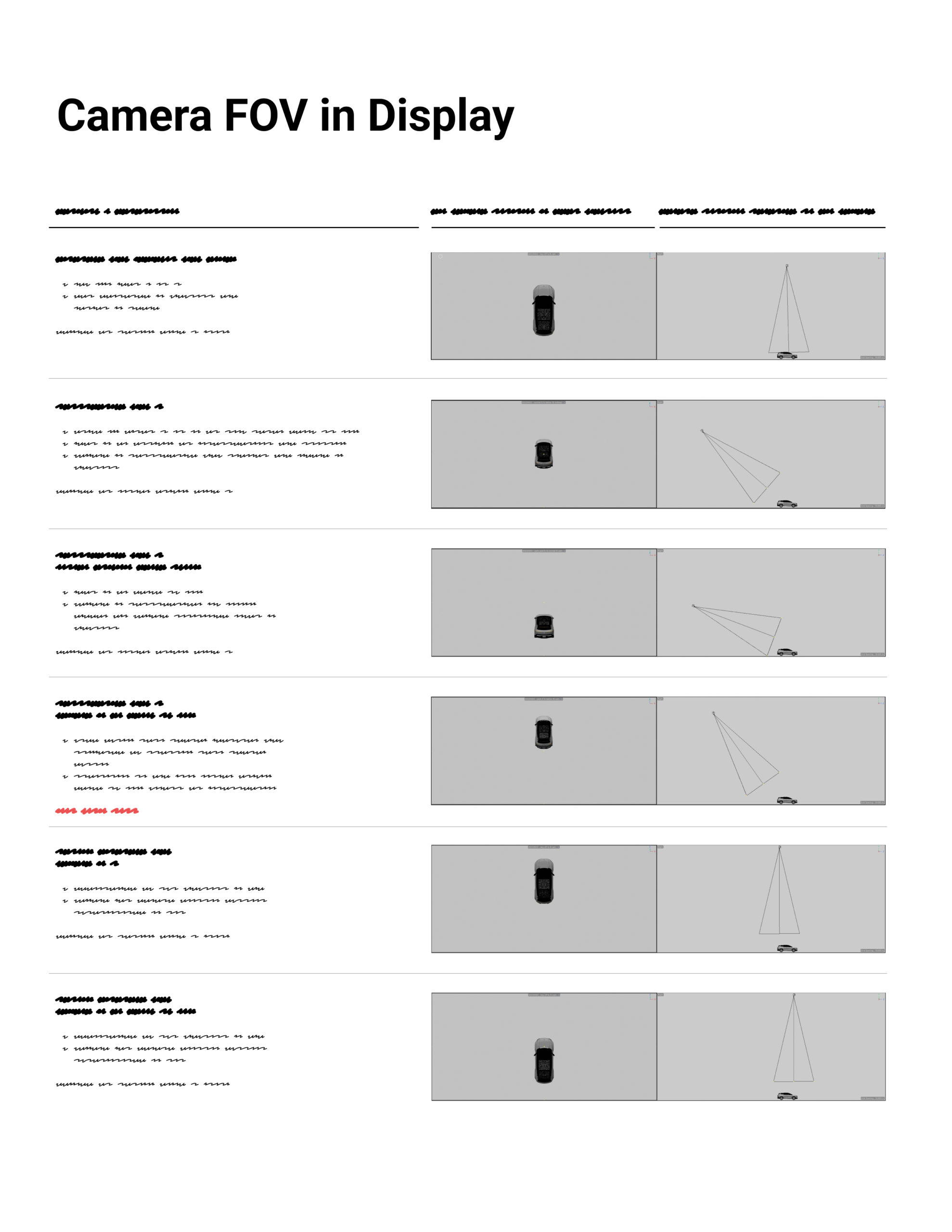
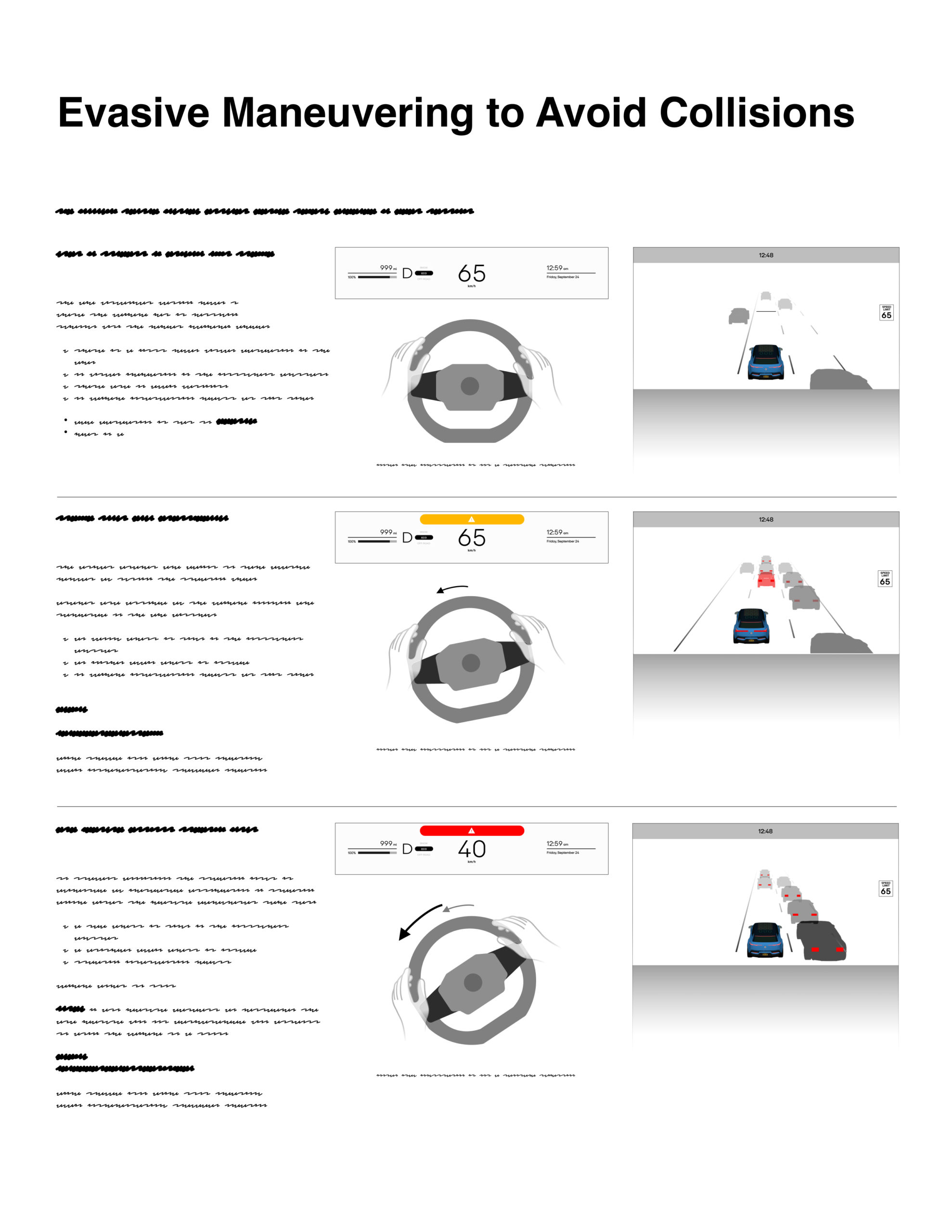
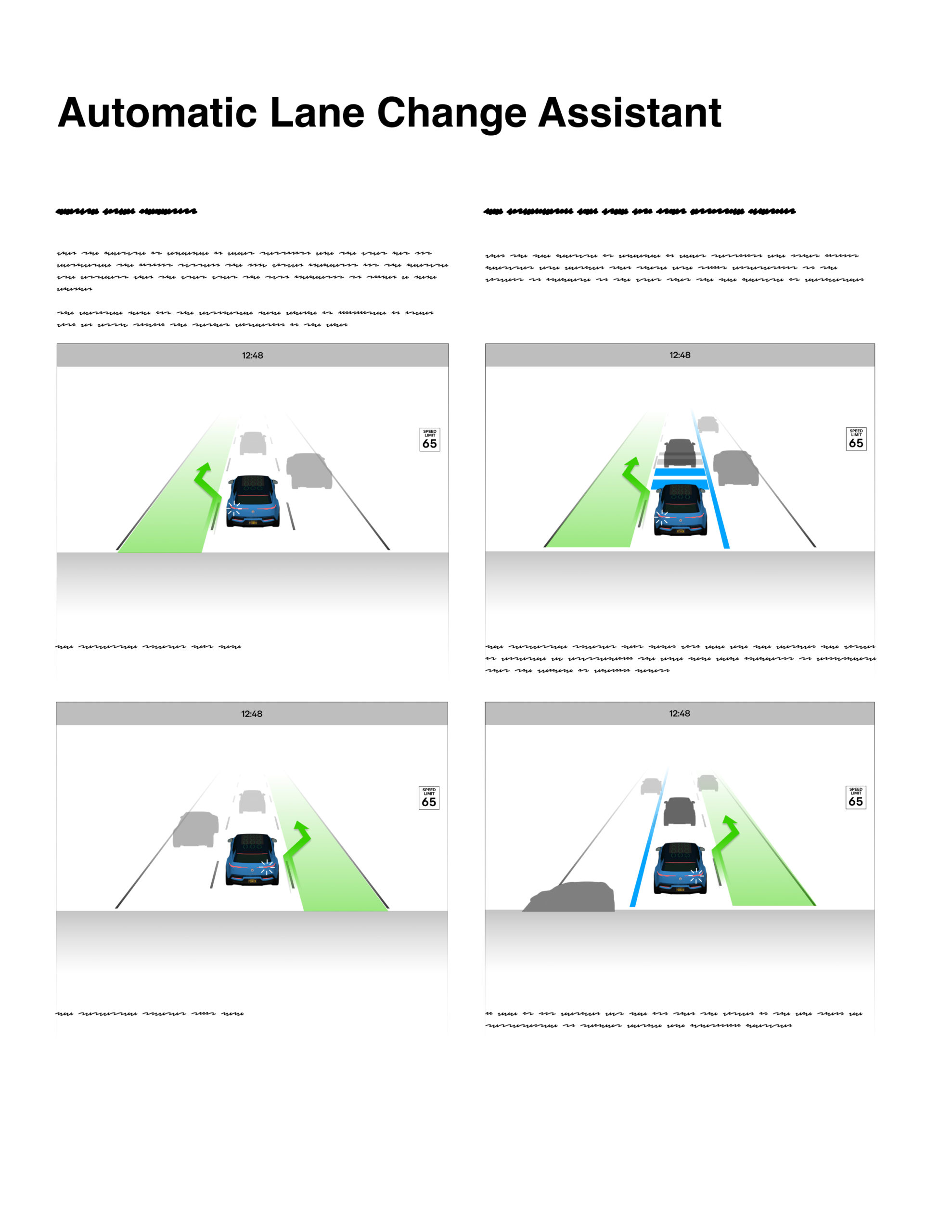
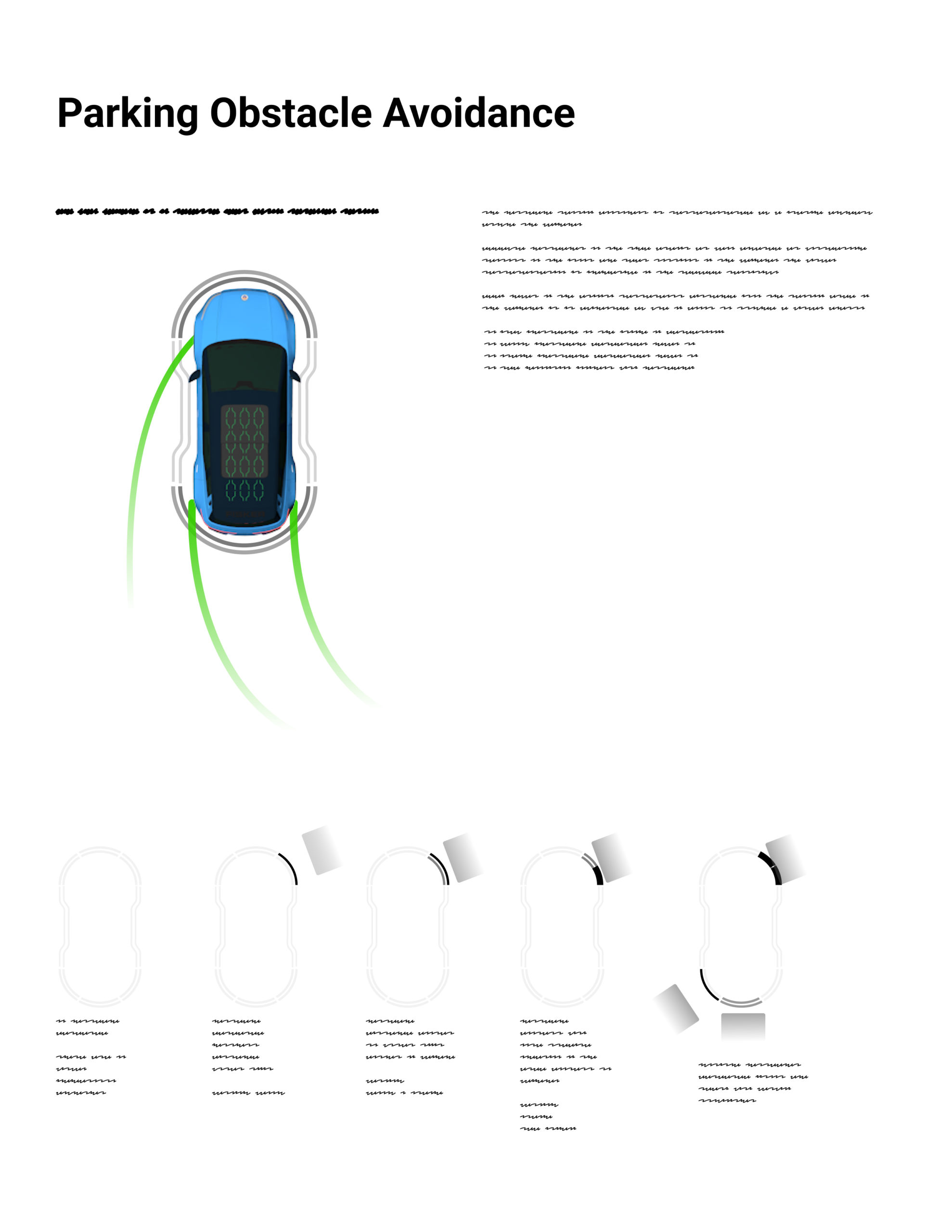
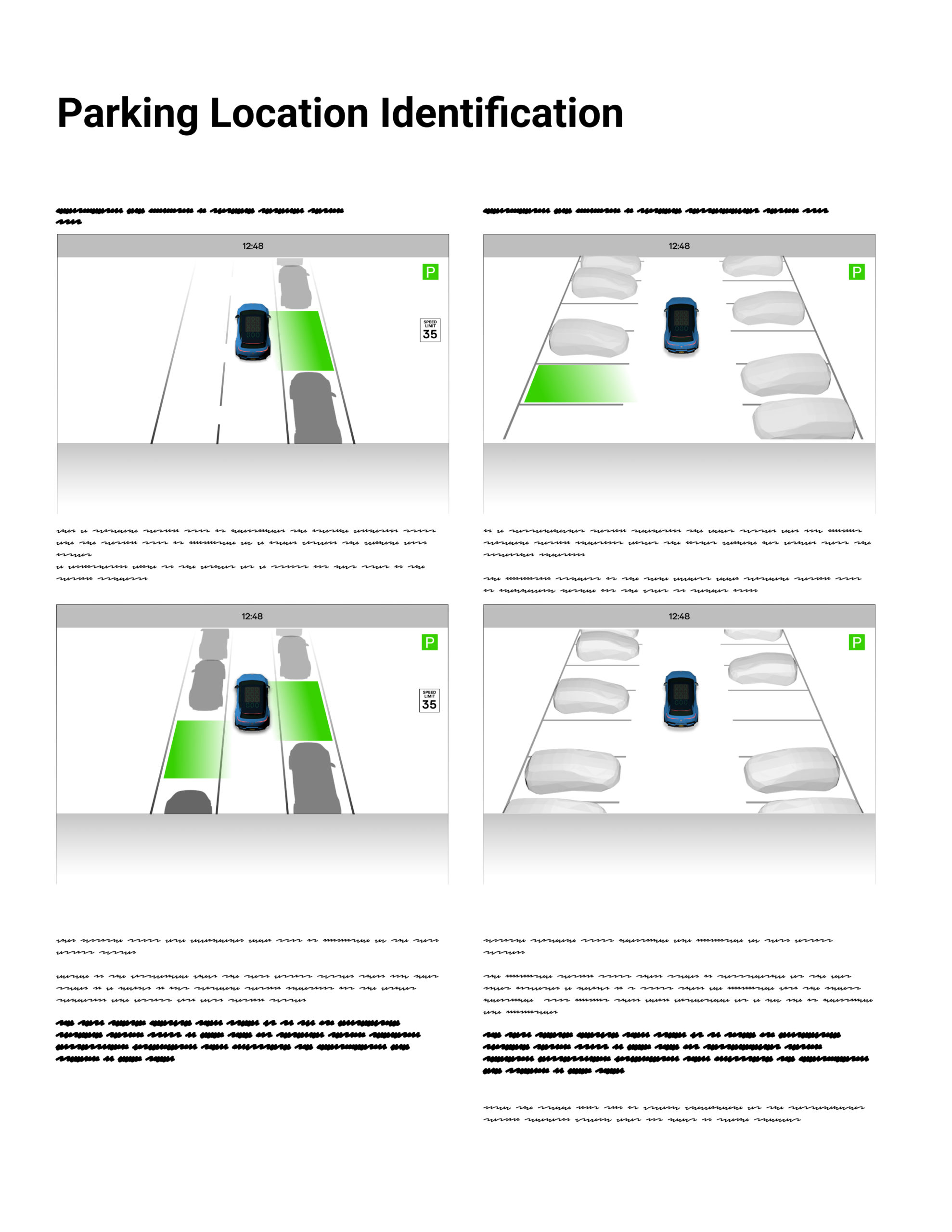
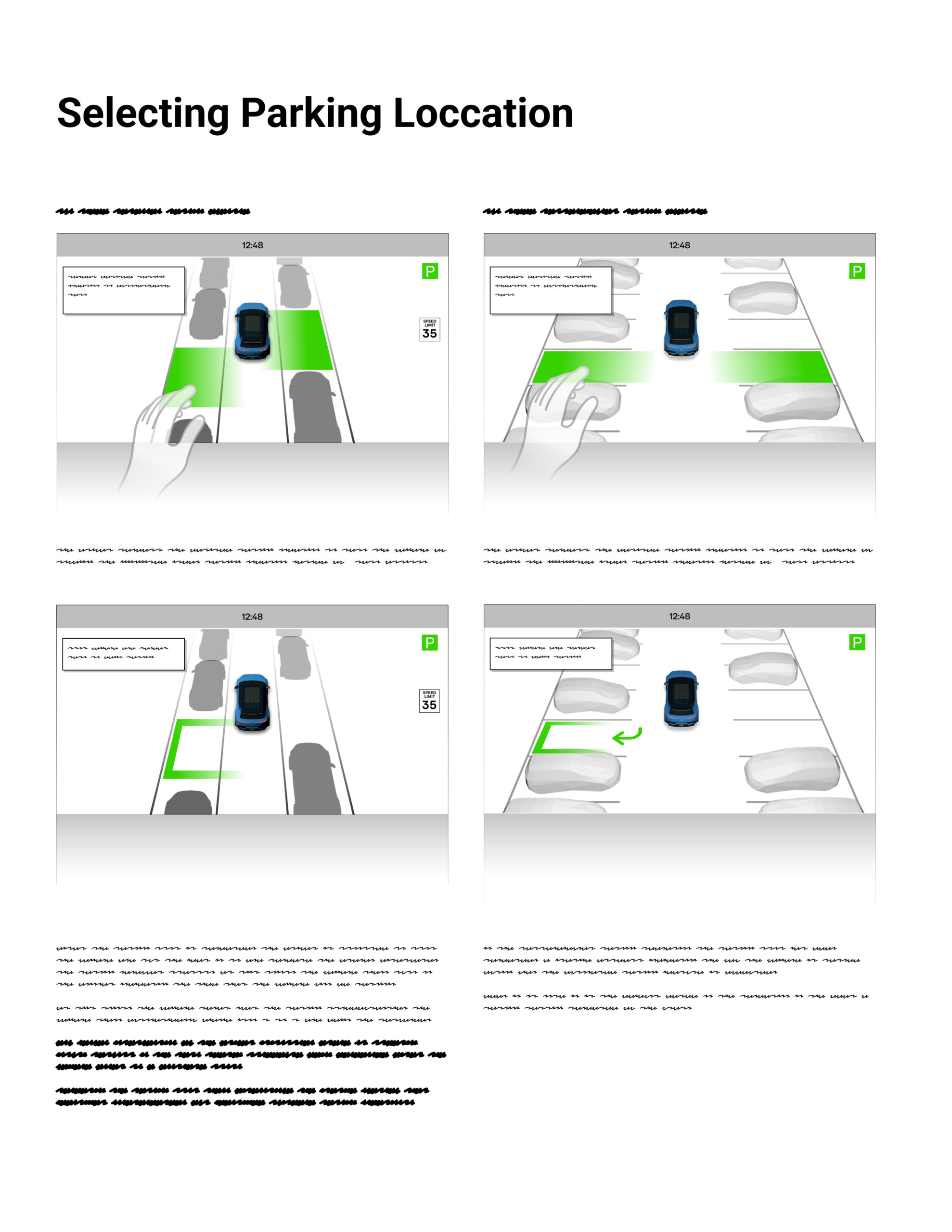
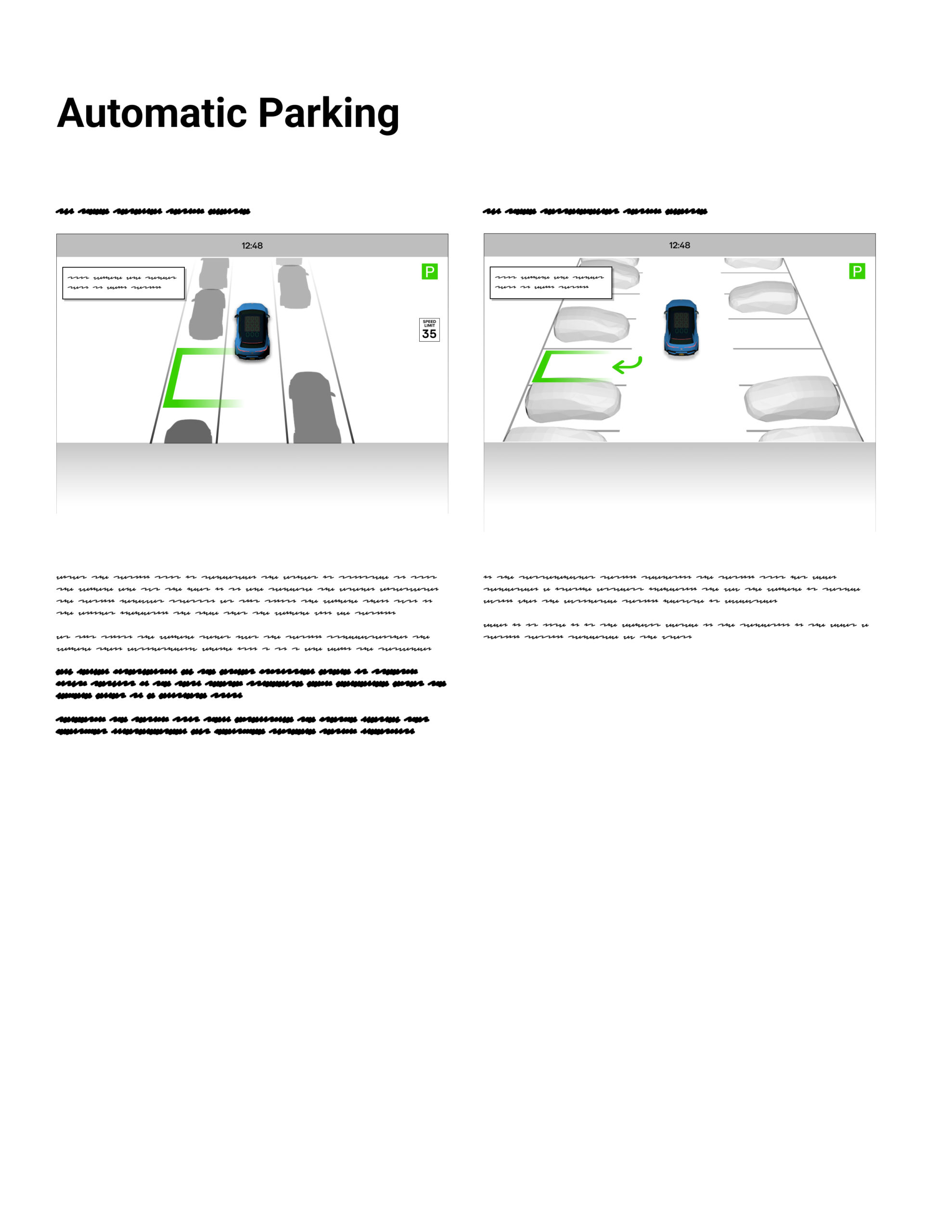
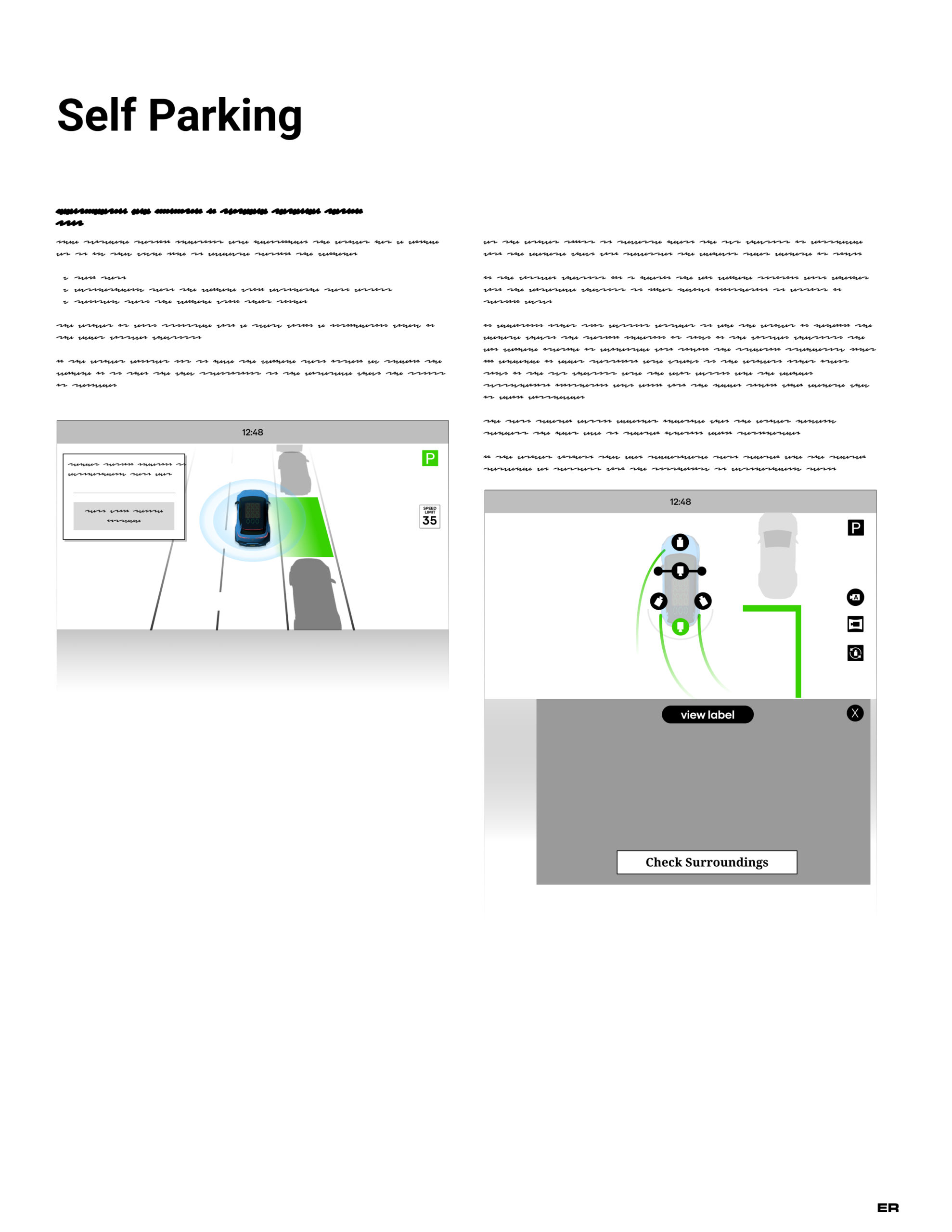
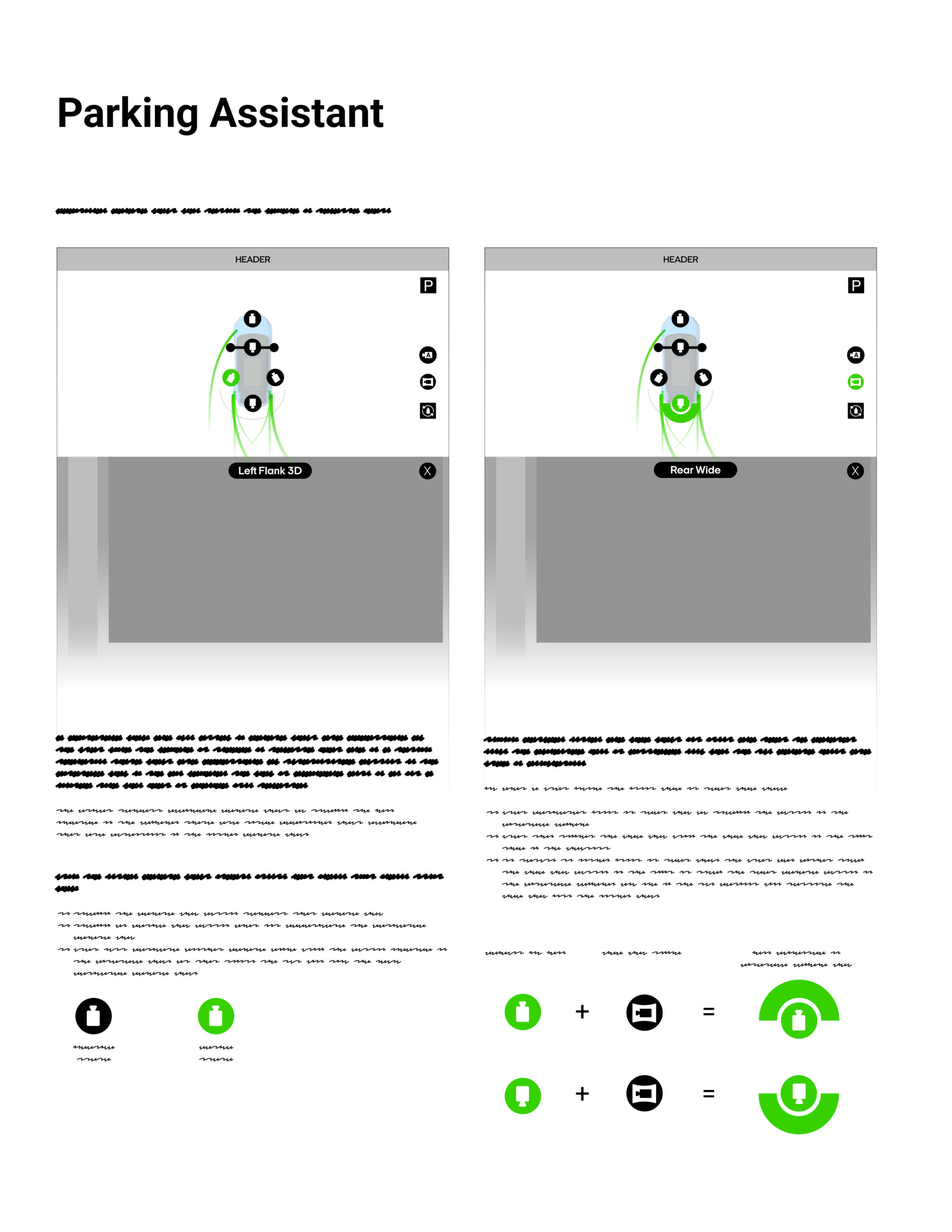
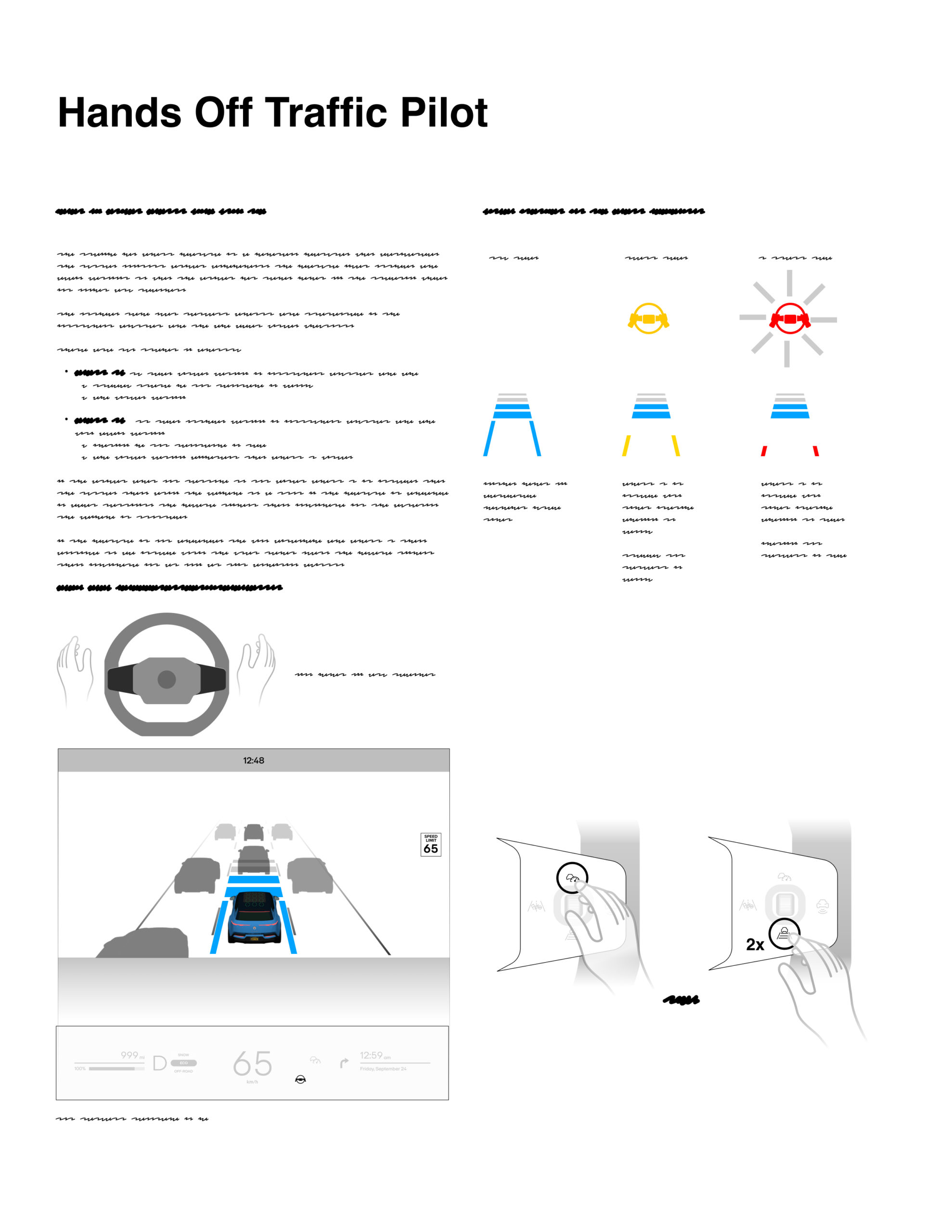
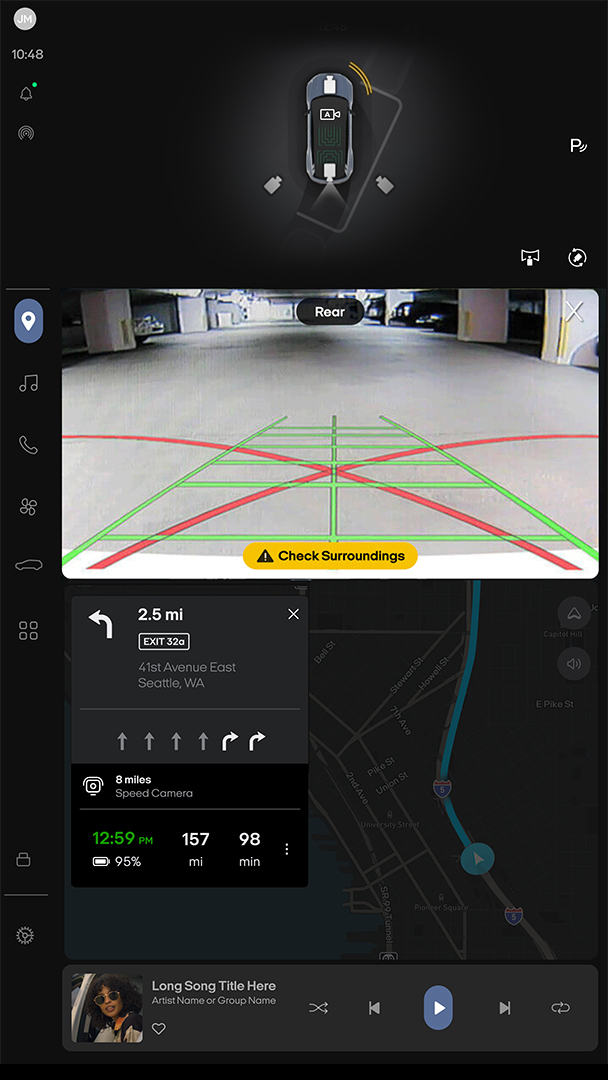
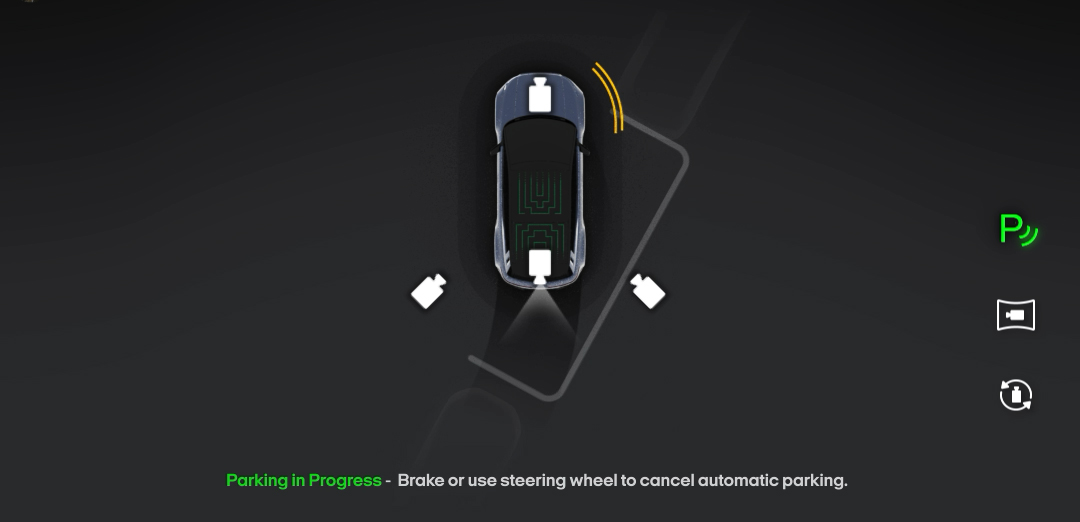
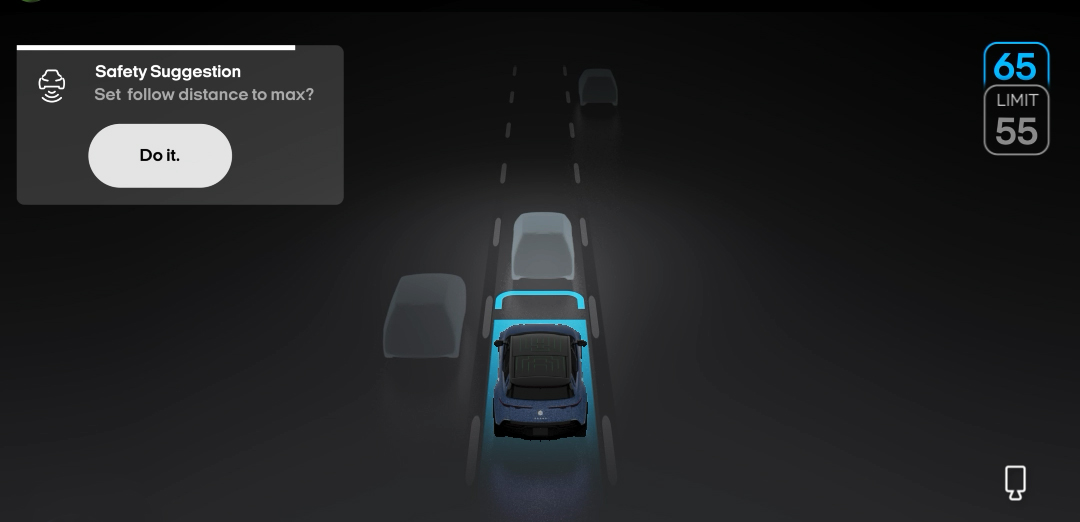
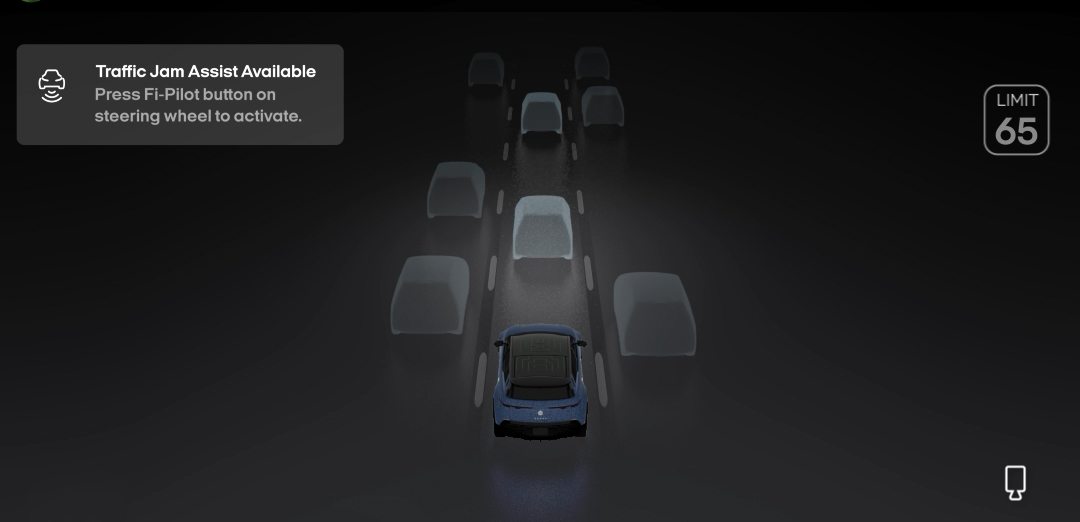
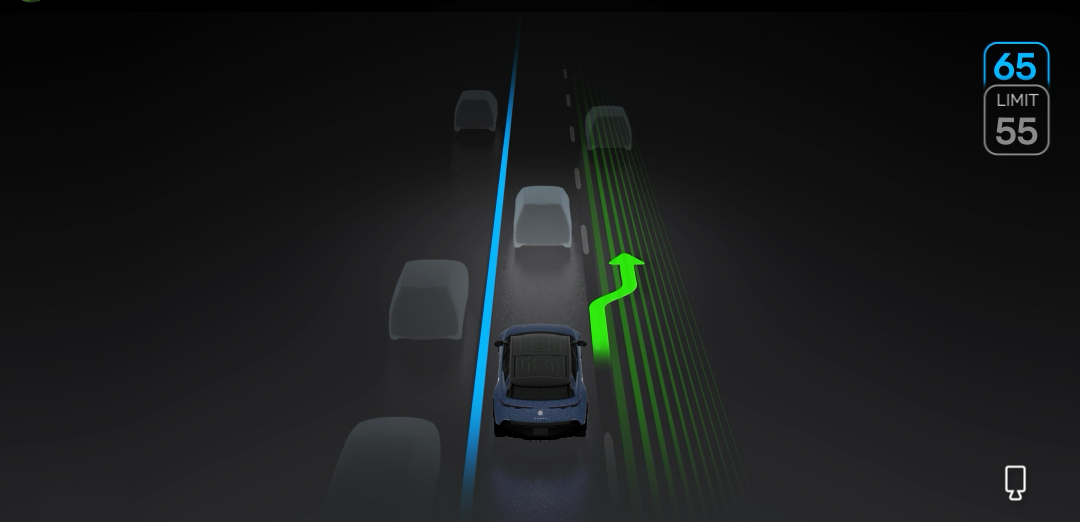
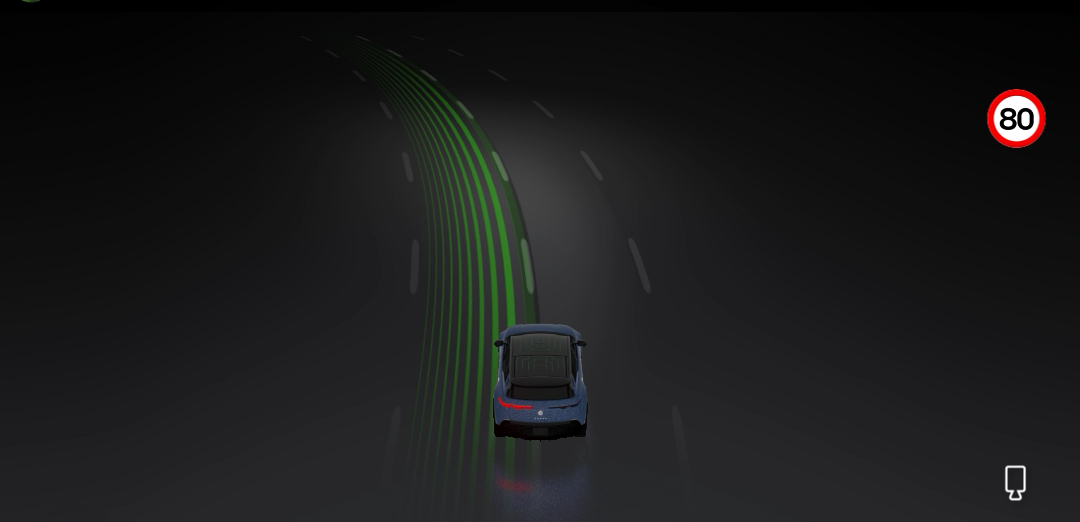
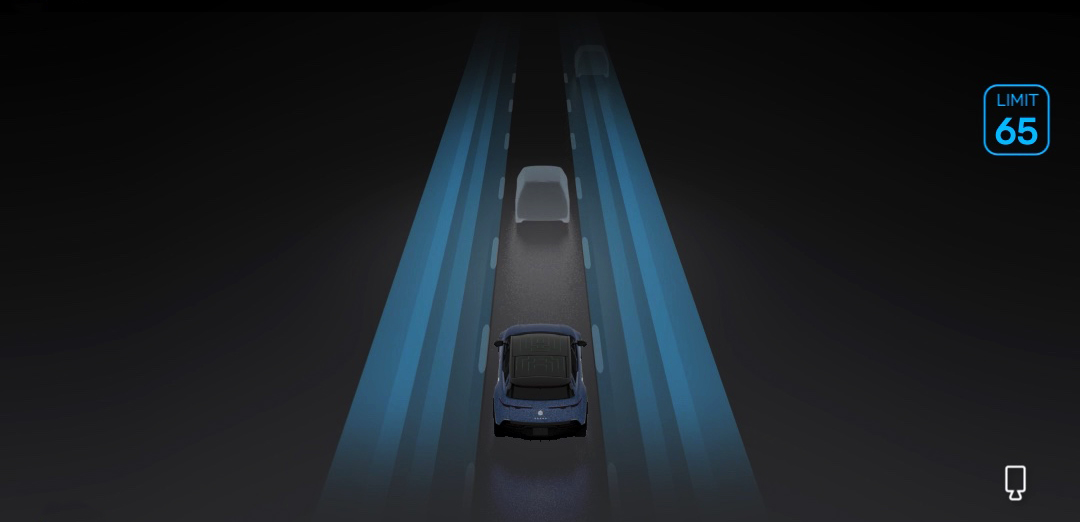
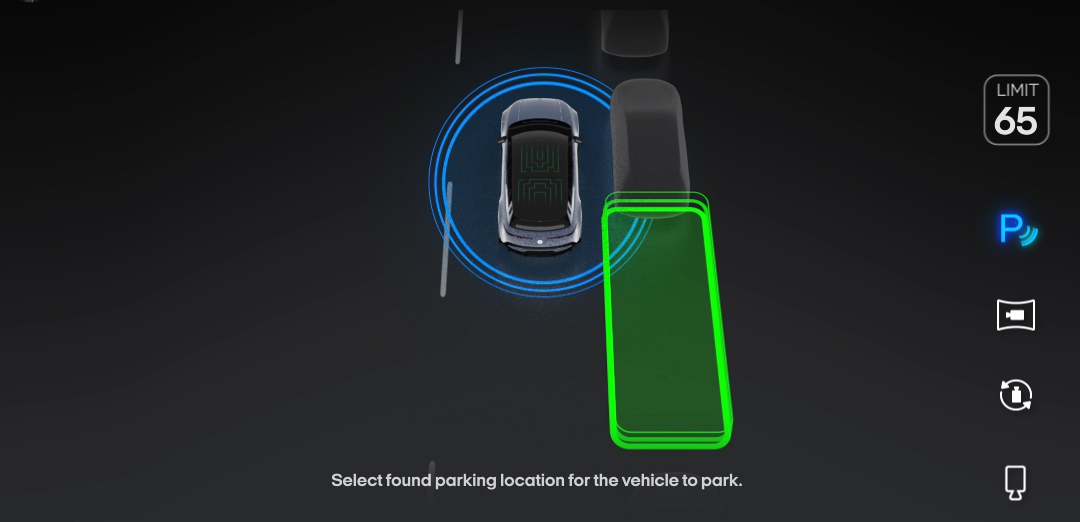
A large portion of my activity was dedicated to Fisker’s ADAS safety and driver assistance suite called FiPilot. The safety features included collision mitigation and occupant safety systems that are needed to homologate the vehicle for sale throughout the world. FiPilot also includes driving assistants like smart cruise control, lane change assist, vehicle's surround view camera system and the ability to park the vehicle using its automated automated and remote parking using the Fisker mobile app.
My personal mission was also to utilize these systems to protect vulnerable road users like pedestrians and bicyclists that share the road.
Documentation
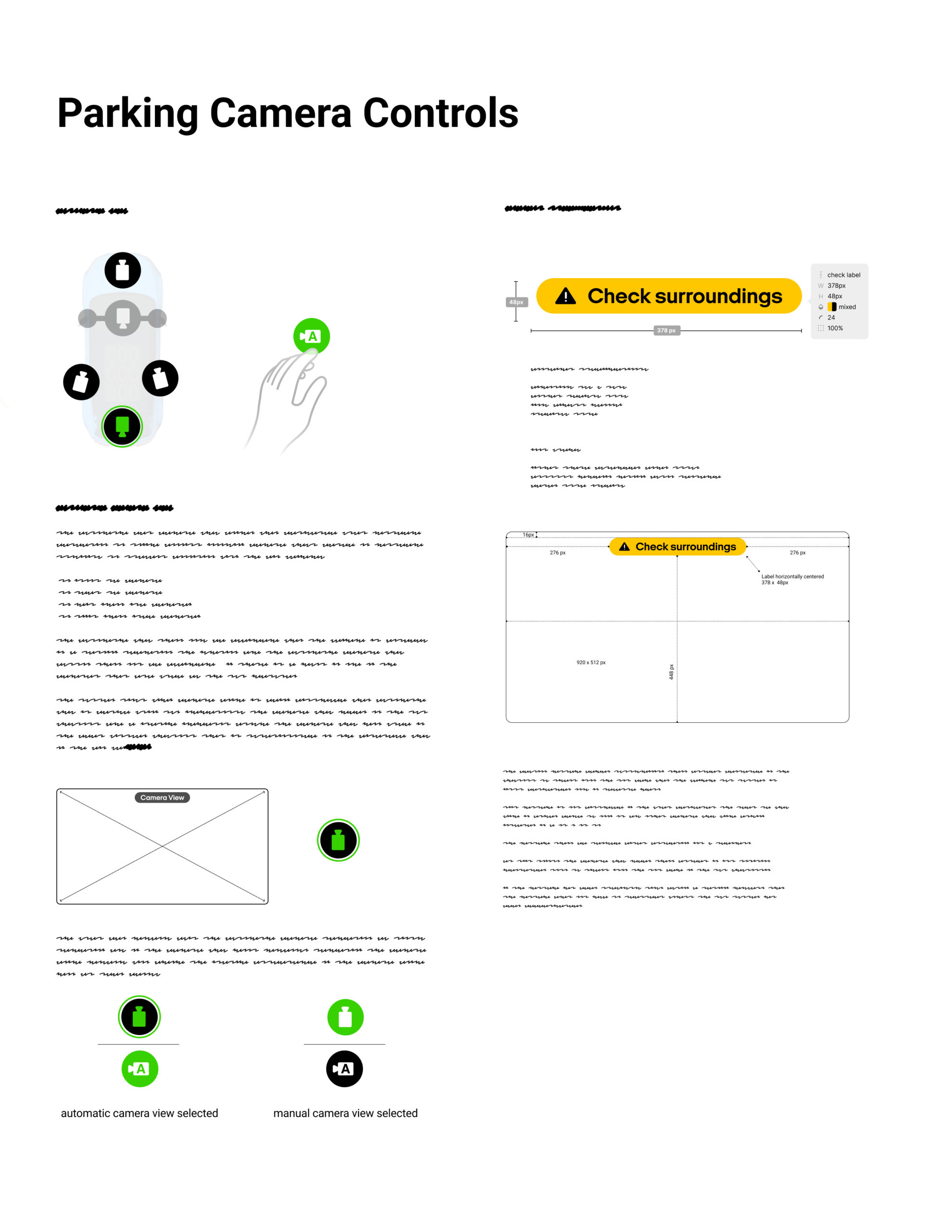
Comprehensive documentation illustrating function behavior and operation specfications, user interactions, and visual guidelines were created in order to implement FiPilot for Fisker.
UNIQUE CHALLENGE
I needed to understand many regulatory requirements and regional legal road regulations to create a seamless user experience for such a complex system. Our goal was to ultimately design a single unified experience instead of a collection of individual features that are currently integrated into a vehicle.
Prototyping
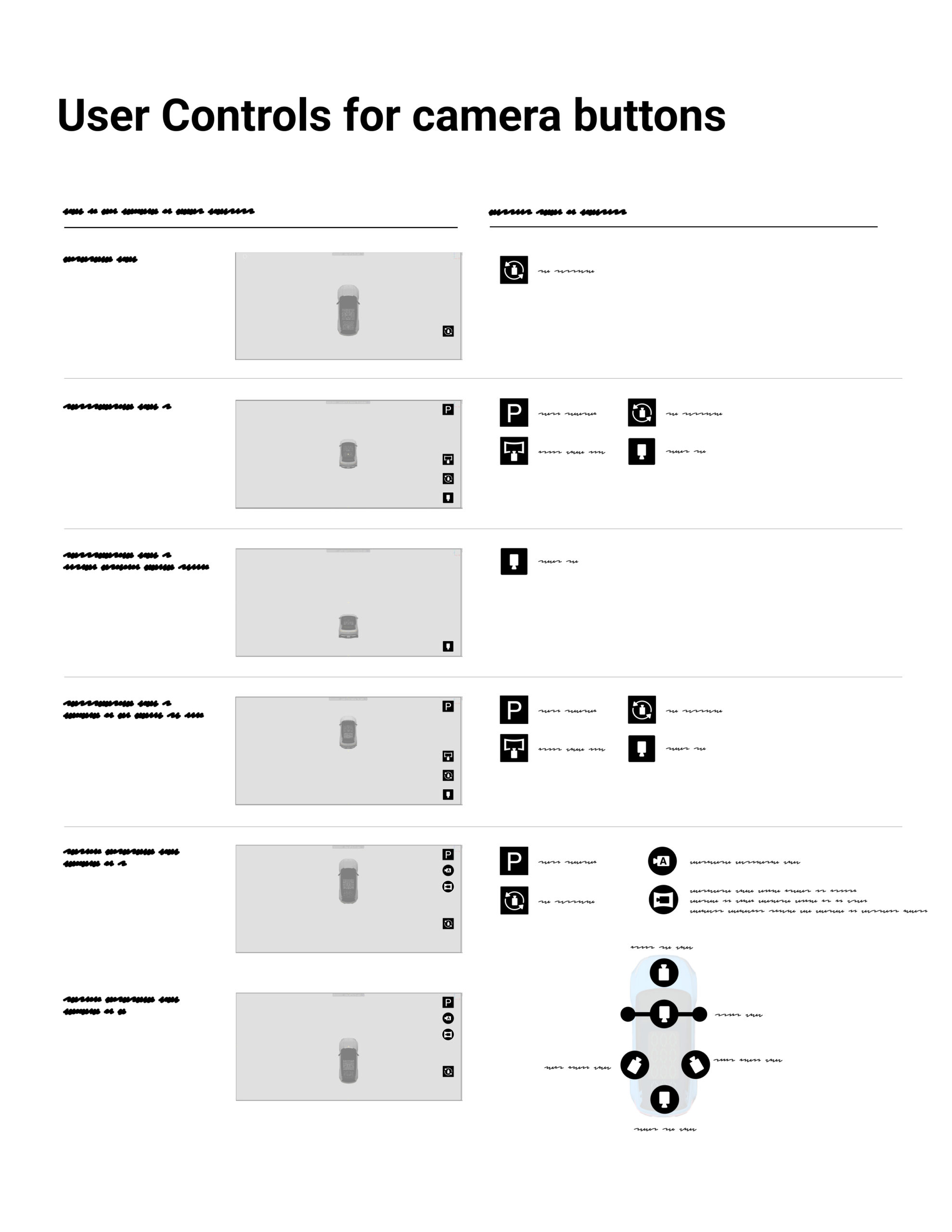
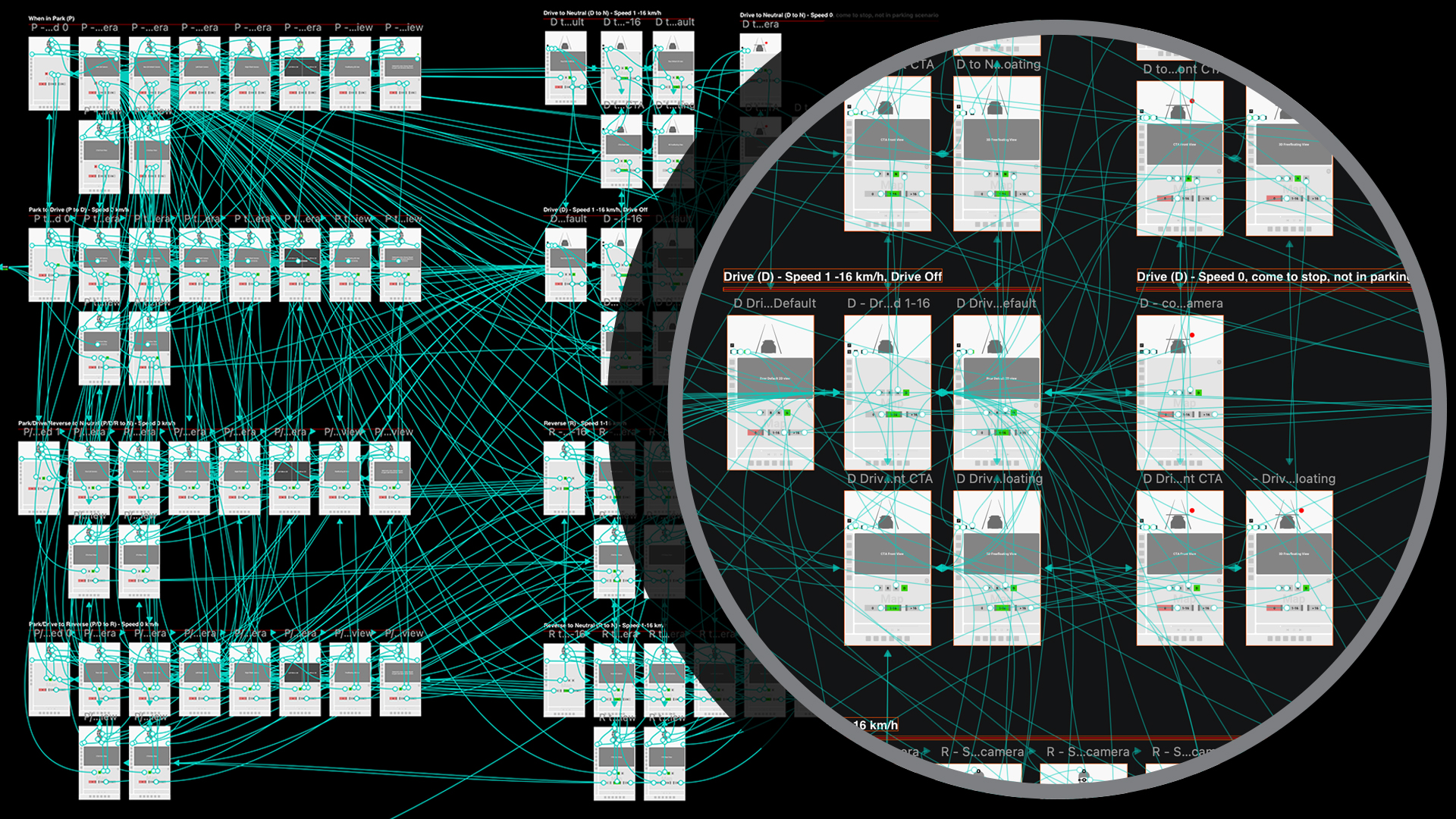
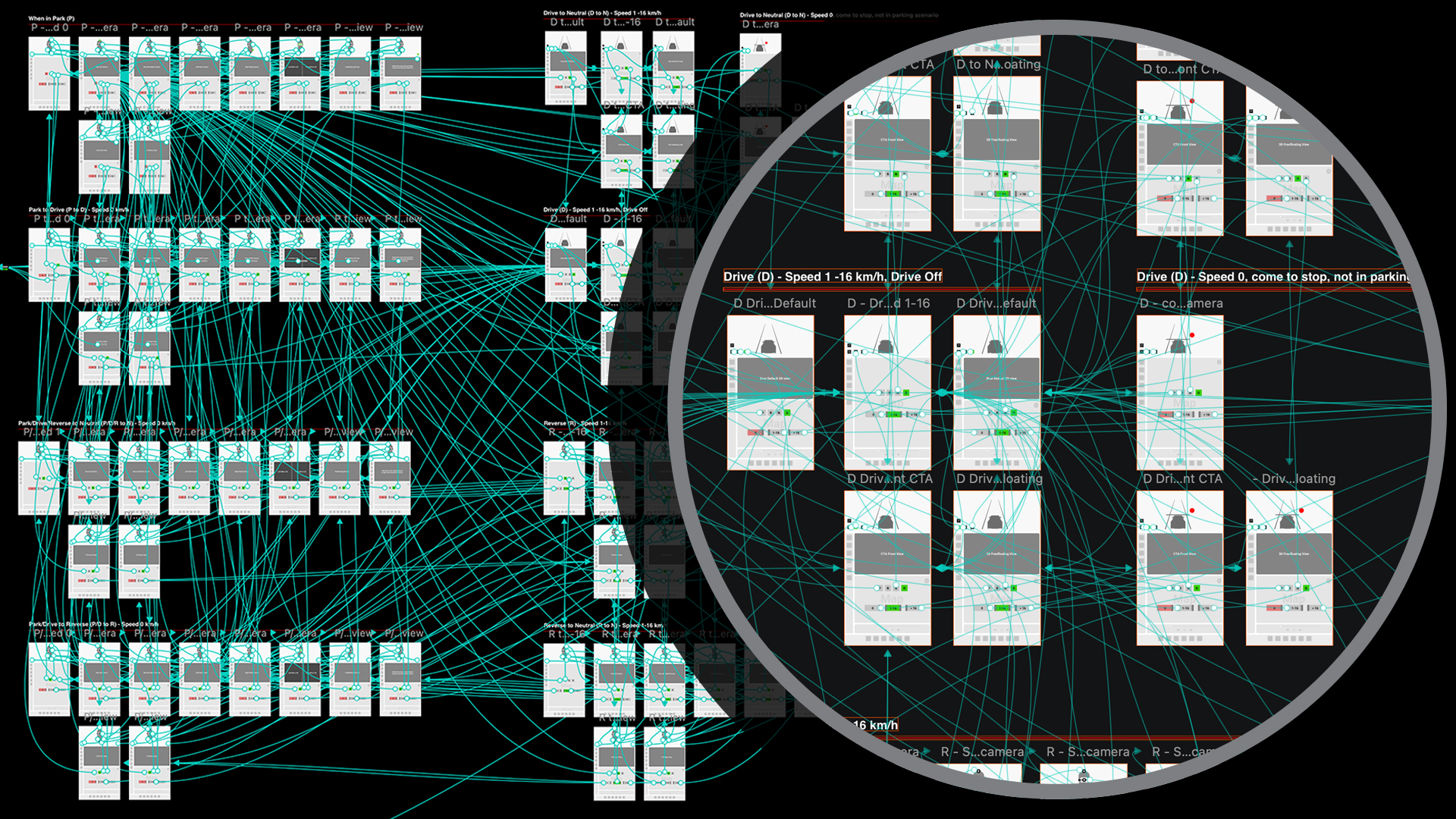
To effectively communicate how the surround view camera system in the Fisker Ocean would be used for the engineering team, I created a thorough low fidelity Figma prototype that included every possible scenario that may be encountered by the driver. This included user flows for every gear, vehicle speed and camera angle that could be summoned by the driver while operating the vehicle.
FIGMA PROTOTYPE - SURROUND VIEW SYSTEM
Email: jyoteen@gmail.com
Connect with me on these other services:
© 2024 jyoteen + respective holders